Wireless charging has undergone a fascinating transformation, evolving from experimental concepts into an essential part of modern life. Once limited to science fiction and early experimental labs, this technology now powers everything from smartphones and wearables to electric vehicles and smart furniture. In this in-depth guide, we’ll explore the evolution of wireless charging—from its historical beginnings to the rise of invisible solutions like UTS-2—and examine what the future holds for this game-changing technology.
The Early Days of Wireless Charging: Origins & Breakthroughs
Nikola Tesla’s Vision of Wireless Power (Historical Foundations)
The story of wireless charging begins in the late 19th century with Nikola Tesla, one of history’s greatest inventors. Tesla envisioned a world where electrical energy could be transmitted wirelessly. In the 1890s, he demonstrated wireless power transmission through resonant inductive coupling using the Tesla coil. Tesla’s experiments at Wardenclyffe Tower were groundbreaking, aiming to deliver free energy wirelessly across vast distances. Though commercial success eluded him, Tesla laid the foundation for future wireless power technologies.
Commercial Uses of Wireless Charging
While Tesla’s vision was ahead of its time, the first commercial uses of wireless charging didn’t appear until much later. The technology began to emerge in the medical field during the 1960s and 1970s, particularly for implanted devices such as pacemakers. These devices needed a reliable power source without invasive wires, making inductive charging a natural fit.
Early Inductive Charging Systems: Work
Early systems relied on electromagnetic induction, where power is transferred between two coils—a transmitter and a receiver—via an alternating magnetic field. These systems were highly specialized and primarily used in industrial or medical applications. Devices had to be carefully aligned to ensure charging, and power transfer was often slow and inefficient.
Limitations of Early-Stage Wireless Power Transfer
Despite their potential, early wireless charging systems faced significant challenges:
- Short transmission distances
- Slow charging speeds
- Bulky hardware
- High costs
These limitations prevented widespread adoption in consumer markets for decades.
How These Technologies Paved the Way for Modern Wireless Charging
Even with limitations, these early innovations helped refine core technologies like resonant inductive coupling and coil design. They also demonstrated the long-term viability of wireless power, paving the way for consumer-focused solutions in the 21st century.
The Rise of Charging Pads: Mainstream Adoption Begins
Introduction of Qi Wireless Charging Standard (WPC)
The breakthrough came in 2008 when the Wireless Power Consortium (WPC) introduced the Qi standard, a universal interface for wireless charging. Qi aimed to create a standardized approach to inductive charging for consumer electronics, ensuring compatibility across different brands and devices.
How Inductive Charging Pads Functioned
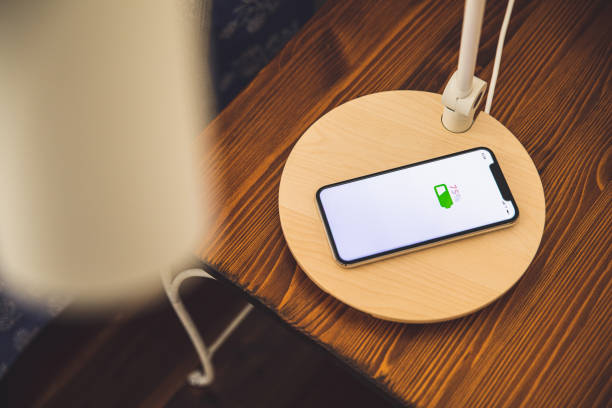
Qi-based charging pads work through inductive coupling. The charging pad contains a transmitter coil, which generates an electromagnetic field when powered. When a compatible device with a receiver coil is placed on the pad, the coils align, and energy transfers wirelessly to charge the device.
Widespread Use in Smartphones & Wearables
Major smartphone manufacturers like Samsung and Apple embraced Qi wireless charging, incorporating it into their flagship devices. Soon, wireless earbuds, smartwatches, and tablets followed suit, making Qi a global standard for charging mobile devices.
Key Milestones in Wireless Charging Technology Evolution
Transition from Low-Power to Fast Wireless Charging
As demand grew, manufacturers began improving charging speeds. Technologies like fast wireless charging emerged, offering up to 15W or more of power, significantly reducing charging times compared to earlier versions.
Introduction of Magnetic Resonance Charging Systems
Beyond inductive charging, magnetic resonance systems extended the charging distance and allowed for multi-device charging. This technique uses loosely coupled coils, enabling more freedom in device placement and charging through surfaces.
Growing Device Compatibility with Qi Certification
Qi continued to evolve, expanding compatibility across thousands of devices. Today, Qi certification ensures seamless operation among smartphones, earbuds, wearables, and more.
Wireless Charging Beyond Phones: EVs, Laptops, Wearables
Wireless charging isn’t just for smartphones anymore. Industries like automotive and consumer electronics have adopted it for:
- Electric Vehicles (EVs)
- Laptops
- Wearable technology
This diversification has accelerated innovation and improved performance across use cases.
Industry Collaboration & Standardization Efforts
Collaborative efforts among tech giants like Apple, Samsung, and Google alongside standards organizations like WPC have driven interoperability and rapid advancements, accelerating the global spread of wireless charging.
The Shift Toward Invisible Wireless Charging Solutions
What Is Under-Surface Wireless Charging & How Does It Work?
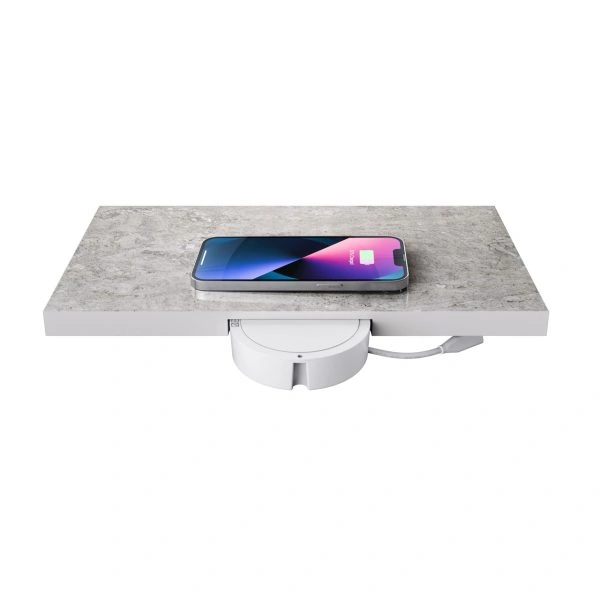
Under-surface wireless charging, also known as invisible wireless charging, eliminates the need for visible charging pads. Instead, chargers are mounted beneath surfaces like desks or counters, allowing energy to transfer through wood, plastic, or glass via resonant inductive coupling.
Introduction of UTS-1 & UTS-2 by Kew Labs (Product Spotlight)
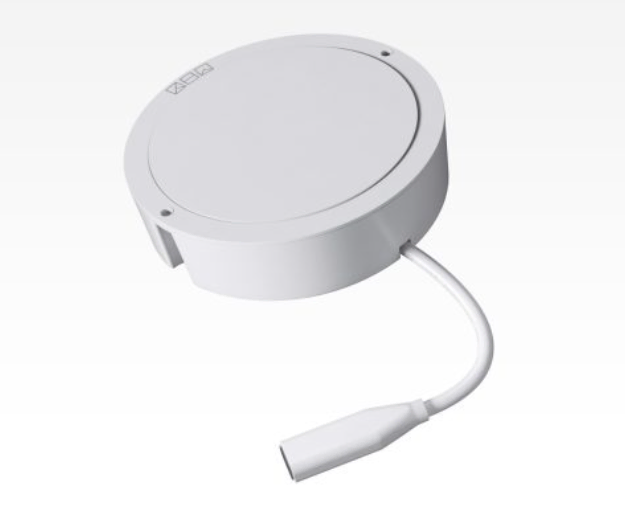
Kew Labs has been at the forefront of this innovation with products like UTS-1 and the advanced UTS-2. These systems are designed for under-table charging, offering easy installation without drilling holes. UTS-2 takes it further with enhanced charging speeds, longer-range capabilities, and advanced smart features.
Advancements in Long-Distance Charging Technologies
Beyond Kew Labs, other tech players are exploring long-distance wireless power using technologies like radio frequency (RF) charging and infrared beaming. Though still in experimental stages, these solutions promise charging at several meters away.
Benefits of Invisible Solutions: Aesthetics, Safety, Convenience
Invisible wireless charging offers numerous benefits:
- Clean, clutter-free aesthetics
- Safer workspaces with no exposed wires
- Enhanced user convenience—just place the device on a desk
- Reduced wear-and-tear on device ports
Popular Applications in Furniture, Offices & Hospitality
This technology is increasingly used in:
- Office desks
- Restaurants & cafes
- Hotel rooms
- Co-working spaces
Invisible wireless charging seamlessly blends with modern interiors, offering a sleek, high-tech experience.
UTS-2 & the Latest Advancements in Wireless Charging
Enhanced Power Range & Charging Distance of UTS-2
UTS-2 can charge devices through surfaces up to mm thick while maintaining high efficiency. This extended range outperforms traditional charging pads significantly Compatibility with Multiple Devices (Qi-Enabled)
The UTS-2 supports all Qi-enabled devices, including smartphones, earbuds, and accessories, ensuring widespread usability across major brands.
Design Innovations for Seamless Integration
Kew Labs has engineered the UTS-2 for easy installation under most furniture surfaces without damaging materials. Its non-intrusive design blends into any environment.
Smart Features: Auto-Detection, Heat Management, Safety
Key smart features include:
- Automatic device detection
- Overheat protection
- Foreign object detection (FOD)
- Optimized power delivery
How UTS-2 Leads the Market in Invisible Charging?
With its blend of long-range performance, device compatibility, and user-friendly installation, UTS-2 leads the market in under-surface charging solutions,
The Future of Wireless Charging: What Lies Ahead?
Charging & Over-the-Air Charging Potential
Technologies like RF-based wireless charging and over-the-air systems could enable charging over several meters, potentially removing the need for contact altogether.
AI-Powered Charging Optimization & Energy Efficiency
Future systems may incorporate AI algorithms to:
- Automatically optimize charging efficiency
- Predict charging needs
- Manage energy distribution across multiple devices
Multi-Device Charging Surfaces & Rooms
Companies are working on multi-device charging furniture and entire rooms equipped with integrated wireless charging infrastructure, allowing seamless power delivery everywhere inside a space.
Integrations with Smart Furniture & IoT Ecosystems
Wireless charging history will likely become a core feature in smart homes and offices, integrated with IoT systems for automated control and monitoring.
Sustainability & Green Energy Wireless Charging Solutions
Future wireless systems may harness solar or renewable energy sources to offer more sustainable charging, aligning with global green energy initiatives.
FAQs: Wireless Charging Technology Evolution Explained
Why Did Wireless Charging Take So Long to Mature?
Early wireless charging faced limitations in power delivery, cost, and efficiency. Advances in coil design, materials, and computing power enabled today’s more practical solutions.
Will Invisible Wireless Charging Become the Norm?
Given its aesthetic appeal and ease of use, invisible charging is gaining momentum, especially in furniture and commercial spaces.
Are Today’s Wireless Chargers Safe for Long-Term Use?
Yes, modern chargers feature advanced safety protocols like overheat protection, foreign object detection, and automatic shutoff.
Can Any Device Use Invisible Wireless Charging?
Most Qi-enabled devices are compatible with under-surface solutions like UTS-2. However, devices without Qi capability will still require external receivers or adapters.
How Do Future Innovations Impact Everyday Users?
Future innovations will make charging faster, more convenient, and less visible—reducing clutter and improving integration with daily routines.
Conclusion: The Journey of Wireless Charging & Its Future Potential
In conclusion, the evolution of wireless charging technology has been nothing short of remarkable, transforming from Nikola Tesla’s pioneering vision into a practical, everyday solution that powers countless devices. From the early days of inductive charging systems and the introduction of Qi charging pads to the current shift toward invisible wireless charging solutions like the UTS-2, this technology has continuously advanced to meet the growing demands of modern users. Today’s wireless charging systems offer faster speeds, greater convenience, and seamless integration into homes, offices, and commercial spaces. Innovations such as under-surface charging, extended-range power and AI-powered optimization are shaping the next frontier of wireless power. Companies like Kew Labs are leading this charge, pushing the boundaries of what’s possible with invisible charging solutions that combine aesthetics, safety, and functionality. As wireless charging becomes increasingly efficient, accessible, and widely adopted, it is poised to play a central role in our connected, sustainable, and cable-free future.