Wireless charging has come a long way since its initial introduction. Once limited to bulky charging pads, the technology has evolved into sleek, hidden solutions that power devices seamlessly through surfaces. Invisible wireless charging is reshaping how we power up our gadgets without clutter or visible cables. In this guide, we’ll explore how invisible wireless charging works, focusing on IPC and Qi technologies, and dive into its practical applications, benefits, and future prospects.
What Is Invisible Wireless Charging?
Definition & Overview of Invisible Wireless Charging
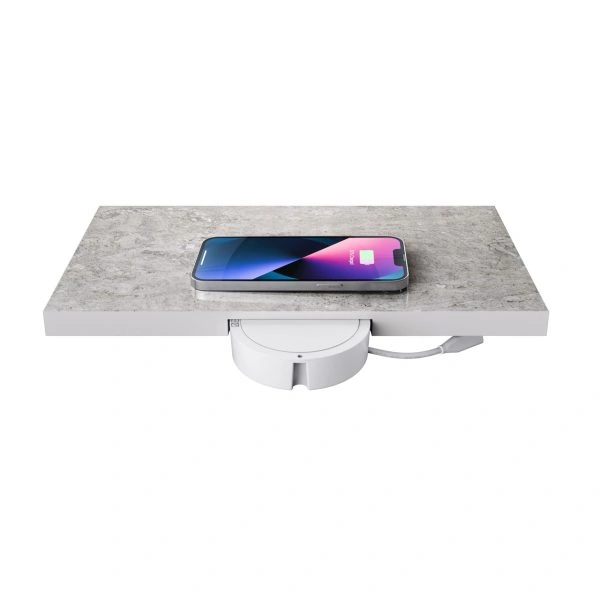
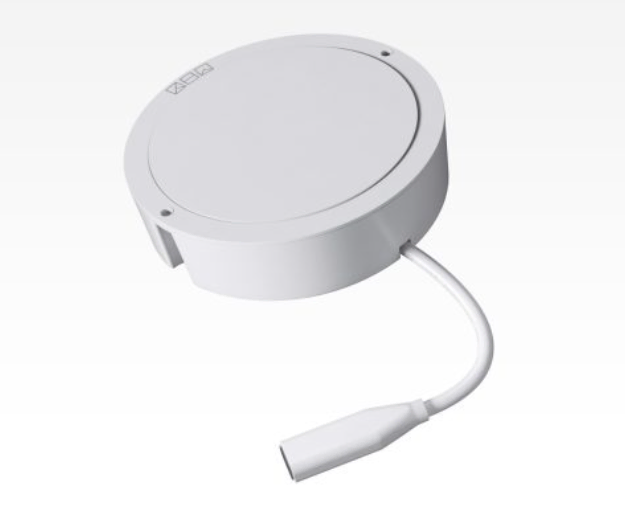
Invisible wireless charging refers to the technology that enables devices to charge wirelessly through non-metallic surfaces, such as wood, glass, or plastic, with the charger hidden from sight. Unlike traditional charging pads that require direct contact, invisible solutions are mounted underneath desks, tables, or countertops, allowing power transfer without visual clutter.
Evolution from Traditional Wireless Chargers to Invisible Solutions
Wireless charging began with simple inductive charging pads using Qi technology, requiring direct contact for power transfer. As innovation progressed, IPC (Inductive Power Coupling) technologies emerged, enabling longer charging distances through surfaces.
Key milestones:
- Qi charging pads gained popularity.
- 2018: First commercial invisible chargers launched for home use.
- Today: Advanced IPC-based invisible chargers support higher wattages and multi-device charging.
Why Invisible Charging Is Disrupting Tech & Furniture Markets
Invisible wireless charging merges technology with furniture design, offering both functionality and elegance. It’s gaining traction among furniture makers, hospitality brands, and smart home enthusiasts seeking clutter-free charging solutions.
The Core Technology Behind Invisible Wireless Charging
What Is IPC Technology & How Does It Work?
Inductive Power Coupling (IPC) uses magnetic resonance and inductive power transfer to send energy through surfaces. A transmitter coil generates a magnetic field, which a receiver coil in the device converts into usable electricity. IPC allows energy to jump through non-metallic materials with minimal loss.
Role of Qi Wireless Charging Standards in Invisible Charging
Qi is the global standard for wireless power transfer. Invisible chargers using Qi ensure device compatibility across major brands like Apple, Samsung, and Google. Qi certification also ensures safety, efficiency, and performance reliability.
Understanding Electromagnetic Induction for Wireless Power
The underlying principle is electromagnetic induction:
- An alternating current (AC) in the transmitter coil creates a magnetic field.
- This field induces a current in the receiver coil inside the device.
- The induced current charges the device’s battery.
Wireless Power Transfer Mechanisms Explained Simply
- Inductive Coupling: Transfers power across short distances (1-30 mm) via tightly coupled coils.
- Resonant Inductive Coupling: Uses tuned circuits for longer distances and better alignment tolerance.
- Capacitive Coupling (less common): Uses electric fields instead of magnetic fields, but with limited efficiency.
Efficiency & Safety Standards in Invisible Wireless Charging
Modern invisible chargers comply with regulatory standards such as FCC, CE, and RoHS. Qi-certified models maintain high efficiency (typically 70%-85%) and feature over-temperature protection, foreign object detection, and automatic shutoff mechanisms.
Under-Surface Charging: How Power Passes Through Surfaces
How Materials Affect Charging Distance & Performance?
Charging effectiveness depends on the surface material:
- Wood: Excellent; minimal energy loss.
- Glass: Moderate; some signal absorption.
- Plastic: High compatibility; low loss.
- Metal: Generally incompatible; blocks magnetic fields.
Maximum Charging Distances of Invisible Chargers
Most high-performance invisible chargers offer charging distances between 10 mm to 30 mm.
Somemodels can go beyond 30 mm, but with reduced efficiency.
Surface Compatibility: Wood, Glass, Plastic & Other Materials
The best results are achieved with:
- Wooden desks and tables (natural or engineered).
- Laminated surfaces.
- Glass tabletops with thickness within charging limits.
- Certain plastics and composites designed for signal transmission.
Heat Management & Energy Loss Considerations
Invisible charging generates some heat due to energy loss. Quality chargers include heat dissipation systems, thermal cutoffs, and energy management chips to maintain safe operating temperatures.
Benefits of Under-Table and Countertop Wireless Chargers
- Seamless integration with furniture.
- Decluttered spaces with no visible chargers or cables.
- Supports multi-device environments in cafés, offices, and homes.
- Reduces wear and tear on charging ports.
Key Components of an Invisible Wireless Charging System
Transmitter Coil & Circuitry Overview
The transmitter unit includes:
- Copper coil to generate magnetic fields.
- Control circuitry for power regulation and communication with devices.
- Power adapter interface.
Receiver Coil Inside Devices (Phones, Tablets, etc.)
Most modern devices include built-in Qi-compatible receiver coils. These coils absorb magnetic energy and convert it into direct current (DC) to charge the battery.
Control Boards & Power Management Units
Control boards manage power transfer efficiency, safety features, and foreign object detection, ensuring smooth operation during charging.
Qi Compatibility & Certification Requirements
For a charger to support mainstream smartphones and accessories, it must meet Qi certification guidelines for:
- Output power range.
- Safety protocols.
- Device communication standards.
Cost Analysis: Initial Investment vs. Long-Term ROI
While invisible chargers have a higher upfront cost due to installation and hardware, the long-term benefits in aesthetics, functionality, and durability make them a worthwhile investment, especially for commercial settings.
Maintenance & Durability Factors
Invisible chargers have fewer wear components and require minimal maintenance once installed. However, improper installation may require servicing by professionals.
Suitability for Home, Office, and Commercial Environments
Invisible charging fits seamlessly into:
- Homes with minimalist design.
- Offices for clutter-free workspaces.
- Restaurants and cafés offering guest charging.
- Hotels providing in-room charging convenience.
Common Challenges & Limitations of Invisible Wireless Charging
Charging Speed Constraints & Mitigation
Distance affects charging speed. However, optimized IPC designs and advanced coil technologies are narrowing this gap.
Device Compatibility Across Brands & Models
Qi-certified devices work universally with Qi-enabled invisible chargers. However, some older or proprietary models may require adapters or won’t be supported.
Distance Limitations & Environmental Interference
Charging through thicker materials or near metal objects can reduce efficiency or charging .
Installation Complexity for Non-DIY Users
Invisible chargers require precise alignment and surface assessment. Professional installation may be necessary for optimal results.
Regulatory Compliance & Safety Certifications
Buyers should verify compliance with:
- Qi Certification.
- FCC and CE approvals.
- RoHS environmental directives.
Real-World Applications: Industries Adopting Invisible Wireless Charging
Hospitality Industry (Hotels, Cafés, Restaurants)
Hotels integrate under-table chargers in lobbies and guest rooms, while cafés use them for customer convenience.
Smart Office & Corporate Environments
Invisible chargers in meeting rooms and desks help reduce cable clutter and foster productivity.
Furniture Manufacturers & Interior Designers
Manufacturers now offer desks and tables with built-in invisible charging, creating functional, tech-friendly furniture.
Automotive Industry Integrations
Select automotive brands are experimenting with hidden wireless power transfer chargers in center consoles for seamless in-car charging.
Consumer Home Automation Use Cases
Invisible charging solutions complement smart homes by integrating kitchen counters, nightstands, and living room furniture.
The Future of Invisible Wireless Charging Technology
Advancements in IPC & Qi Charging Protocols
Future innovations will improve charging speeds, efficiency, and compatibility with emerging device types.
Higher Wattage & Faster Charging Developments
Manufacturers are developing systems capable of delivering or more, bridging the gap with wired charging speeds.
Multi-Device Wireless Charging Surfaces
Emerging products will allow multiple devices to charge simultaneously on a single surface without precise alignment.
Market Trends & Adoption Forecast for 2025 & Beyond
With growing demand for clutter-free spaces, the market for invisible wireless charging is expected to surge in:
- Residential homes.
- Offices and co-working spaces.
- Hospitality and retail industries.
Conclusion: Why Invisible Wireless Charging Is the Future of Power Solutions
Invisible wireless charging is revolutionizing how we power devices—merging technology, design, and convenience. With advancements in IPC and Qi technologies, users now enjoy clutter-free charging through common surfaces without compromising functionality. Industries ranging from hospitality and automotive to smart homes are adopting this technology for its seamless integration and futuristic appeal.
Kew Labs tech is at the forefront of this transformation, offering cutting-edge invisible wireless charging solutions for homes, offices, and businesses. Whether you’re looking to simplify your workspace or upgrade your customer experience, invisible wireless charging is set to become an essential power solution for the modern era.FAQs: Everything You Need to Know About Invisible Wireless Charging.
FAQs: Everything You Need to Know About Invisible Wireless Charging
Is Invisible Wireless Charging Safe for Daily Use?
Yes, certified chargers are safe and comply with global safety standards, including overheat protection and foreign object detection.
Can I Retrofit My Existing Furniture with This Tech?
Installation depends on material type and surface thickness.
How Much Distance Does Invisible Charging Support?
Most chargers support 10 mm to 30 mm,
Will It Work with My iPhone or Android Device?
Most modern iPhones and Android phones with Qi support are compatible.