Introduction
Modern kitchens have evolved into multifunctional living spaces rather than simple cooking areas. Families gather in the kitchen not only to prepare meals but also to talk, work, and relax. Because of this shift, smartphones, tablets, and wireless earbuds are used frequently throughout the day.
People often rely on their devices in the kitchen for recipes, video calls, music, and smart home controls. As device usage increases, convenient charging options become essential in keeping these tools powered while maintaining an organized environment.
Traditional charging cables and visible pads can quickly create clutter on countertops. Invisible countertop wireless charging provides a cleaner and more modern solution. By installing chargers beneath the surface of counters or tables, homeowners can create a hidden kitchen charging station that keeps devices powered without disrupting the kitchen’s design. This guide explores practical kitchen charging station ideas along with helpful design and installation tips.
Why Hidden Kitchen Charging Stations Are Becoming Popular
Hidden charging solutions are gaining popularity as homeowners look for ways to integrate technology into their kitchens without compromising aesthetics. Invisible wireless charging allows devices to power up without adding visible gadgets or cables to the workspace.
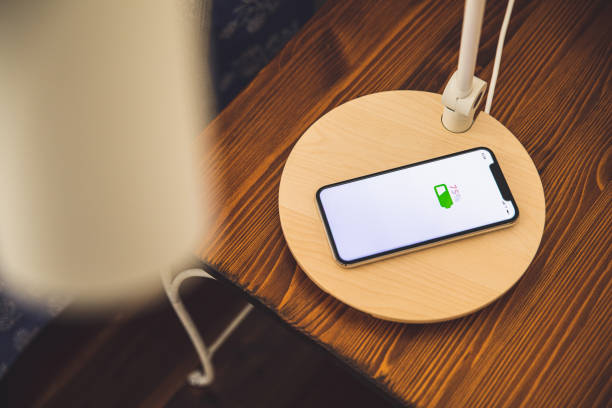
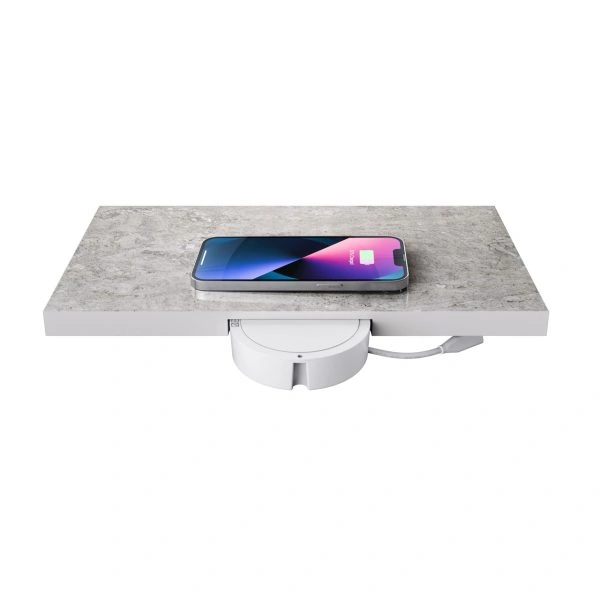
These systems are installed beneath countertops or tables and charge compatible devices through the surface. The result is a seamless charging experience that blends with modern kitchen design.
Design Benefits
A major reason homeowners choose a hidden kitchen charging station is the visual improvement it provides. Kitchens often feature carefully designed surfaces and materials, and visible electronics can disrupt that appearance.
Some key design advantages include:
- Keeps countertops clean and uncluttered
- Preserves minimalist kitchen aesthetics
- Eliminates visible charging cables
This makes wireless charging especially appealing in modern and contemporary kitchen designs.
Practical Benefits
Beyond aesthetics, hidden charging solutions also offer everyday convenience. Instead of searching for a cable, users simply place their phone in the designated charging area.
Practical benefits include:
- Devices charge while remaining easily accessible
- Works with most Qi-enabled smartphones and earbuds
- Ideal for busy family kitchens where multiple devices need power
Because the charger is always ready to use, it becomes a natural part of daily routines.
Where They Work Best
Invisible charging can be integrated into several areas of the kitchen where people naturally place their devices.
Popular installation locations include:
- Kitchen islands
- Dining tables
- Breakfast bars
- Coffee stations
- Pantry workspaces
By placing chargers in these areas, homeowners can create a kitchen counter charging station that fits seamlessly into daily activities.
5 Smart Kitchen Charging Station Ideas
Designing the right charging solution involves understanding how people use their kitchen space. The following ideas show how invisible wireless charging from Kew Labs can be seamlessly integrated into common kitchen areas.
1. Kitchen Island Charging Zone
Kitchen islands are often the central gathering point in modern homes. Family members may sit, talk, check their phones, or work on laptops while spending time around the island.
Adding a kitchen counter charging station in this area allows devices to charge while people cook, socialize, or enjoy meals.
Placement ideas
- Near bar seating where phones are commonly placed
- At a corner section of the island for easy access
- Multiple chargers installed for families with several devices
A well-planned island charging zone can support multiple users while maintaining a clean countertop.
Design tip
Use a subtle icon or engraving on the countertop surface to indicate the charging location without disrupting the visual design.
2. Hidden Charging in Breakfast Bars
Breakfast bars are used for quick meals, coffee breaks, and casual conversations. These spaces are perfect for adding discreet wireless charging that supports daily routines.
Installing invisible charging beneath the bar surface allows family members to power their devices while eating or reading messages during breakfast.
Advantages
- Keeps surfaces clean while eating
- Allows quick access to charging during busy mornings
- Maintains a clutter free appearance in compact spaces
Because breakfast bars often have limited counter space, hidden charging can improve both functionality and design.
Technical guidance
Ensure the countertop material allows wireless signals to pass through efficiently so the charger performs reliably.
3. Coffee Station Charging Spot
Many people check their phones while preparing coffee or tea. A hidden kitchen charging station in the coffee area supports this routine while keeping the countertop organized.
This charging location can be especially convenient during busy mornings when people want to quickly top up their device battery.
Benefits
- Charge your phone while preparing coffee or tea
- Supports daily morning routines
- Keeps the coffee station tidy and organized
Since coffee stations already include appliances and accessories, removing visible chargers helps reduce clutter.
Design idea
Install the wireless charger beneath the counter surface next to the coffee machine so devices can charge while drinks are being prepared.
4. Dining Table Wireless Charging
Dining tables in modern homes are used for many activities beyond meals. They often function as workspaces, homework stations, or casual meeting areas throughout the day.
Adding a wireless charger for table surfaces allows devices to remain powered during extended use.
Advantages
- Ideal for remote work or studying
- Keeps phones charged during long meals or conversations
- Eliminates cables around the table area
Invisible wireless charging helps maintain a clean dining space while adding useful functionality.
Design tip
Wireless chargers can be installed beneath wood or laminate tabletops to create a seamless charging experience without altering the table’s appearance.
5. Kitchen Desk or Command Center
Many modern kitchens include a small desk or family command center. These spaces are used for organizing schedules, writing grocery lists, or managing household tasks.
Adding a hidden kitchen charging station here helps keep devices powered while managing daily planning.
Best use cases
- Charging smartphones used for schedules and reminders
- Powering tablets used for recipes or family calendars
- Keeping devices ready for quick use during busy days
Since command centers already contain drawers and storage areas, hidden charging can easily be integrated into the workspace.
Design tip
Combine wireless charging with small drawers or device holders to create a fully organized kitchen workstation.
Technical Tips for Installing Countertop Wireless Charging
Proper installation is important to ensure that countertop wireless charging works efficiently and safely. Planning these details early can improve both performance and long term reliability.
Choose Compatible Countertop Materials
Wireless charging works best when installed beneath non metallic materials that allow energy to pass through the surface.
Common compatible materials include:
- Quartz
- Granite within thickness limits
- Wood
- Laminate
Metal surfaces should be avoided because they block wireless charging signals. This can also include natural stones like marble and quartzite that can include high-metallic content. For these, we recommend doing a test peice with your fabricator or contractor.
Pay Attention to Countertop Thickness
Charging performance depends on the distance between the charger and the device placed above it.
If the countertop is too thick, the charger will not transmit power effectively. Many systems specify recommended thickness ranges to maintain reliable charging. This will likely mean that the chargers aren’t retrofittable and need to be installed at the time of design consideration with your designers or fabricators. The retrofittable areas would be if you are using 12mm materials such as porcelain or high compact laminate or solid surface and have an exposed countertop underneath.
Checking these specifications before installation helps prevent performance issues later.
Mark the Charging Location
Because the charger is hidden beneath the surface, users need a simple way to identify the charging zone.
Common marking options include:
- Subtle surface stickers
- Small engraved icons
- Light etched markers
These indicators guide users without interfering with the countertop’s design.
Plan Electrical Access
Wireless chargers still require a power source, so electrical access must be planned during installation.
Consider the following:
- Install chargers near existing outlets
- Conceal wiring within cabinets or island frames
- Ensure easy access for maintenance if needed
Proper electrical planning ensures that the charging station operates smoothly while remaining visually hidden.
Design Tips for Seamless Kitchen Integration
Invisible charging should complement the overall kitchen design rather than appear as an afterthought. Thoughtful planning can ensure the charging station enhances both function and style.
Maintain Visual Minimalism
Modern kitchens often emphasize clean lines and uncluttered surfaces. Hidden wireless charging helps maintain this minimalist aesthetic by removing visible electronics from the countertop.
This approach allows designers to preserve the visual appeal of high quality materials such as stone or wood while still adding advanced functionality.
Consider Multi User Households
Families with several devices may benefit from installing multiple charging points throughout the kitchen.
For example, one charger may be placed at the island while another is installed near the coffee station. This distribution prevents crowding and makes charging convenient for everyone.
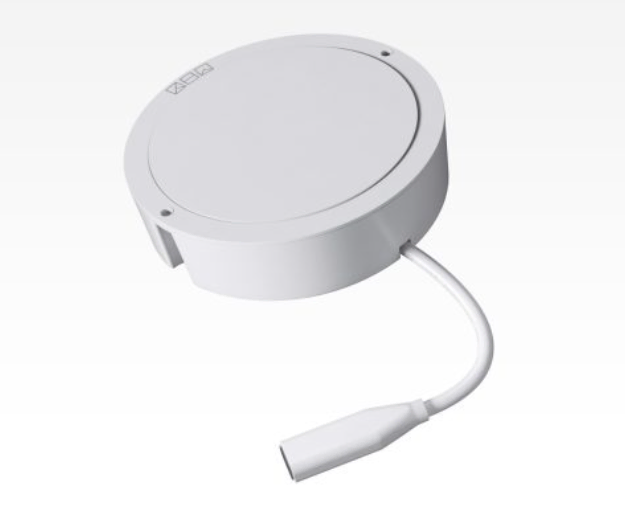
Chargers like the UTS-2 can have up to six units connected off of one outlet using a USB-C hub. This can accommodate a whole family or different areas across bar tops.
Align Charging Locations With Daily Habits
Successful kitchen charging design should match how people naturally use the space.
Examples include:
- Island seating areas for family phones
- Coffee stations for morning charging
- Dining tables for work or study devices
Aligning charging locations with everyday routines ensures that the feature becomes genuinely useful.
Coordinate With Kitchen Remodeling Plans
The best time to install invisible wireless charging is during major kitchen updates.
Ideal opportunities include:
- Countertop fabrication
- Kitchen renovations
- New construction projects
Planning installation during these stages allows wiring and mounting to be integrated seamlessly into the kitchen structure.
Conclusion
Modern kitchens have evolved into dynamic spaces where people cook, connect, work, and relax throughout the day. As technology becomes more integrated into everyday life, convenient charging solutions are becoming an essential part of thoughtful kitchen design. Traditional cables and visible charging pads can disrupt the appearance of a well designed space, especially in kitchens that prioritize clean surfaces and minimal clutter.
Invisible wireless charging provides an elegant alternative by allowing homeowners to create a hidden kitchen charging station beneath countertops or tables. Whether placed in a kitchen island, breakfast bar, coffee station, dining table, or family command center, these solutions keep devices powered without sacrificing style or counter space. With proper planning, compatible materials, and smart placement, countertop wireless charging can transform the kitchen into a more functional and technology friendly environment while maintaining a sleek and modern design. If you would like to learn more about installing wireless charging solutions in your kitchen or need help designing the perfect kitchen counter charging station, feel free to contact us today and our team will be happy to assist you.
FAQs
1. What is a hidden kitchen charging station?
A hidden kitchen charging station uses wireless chargers installed beneath countertops or tables, allowing devices to charge without visible charging pads or cables.
2. Do wireless chargers work through kitchen countertops?
Yes, many wireless chargers work through materials like quartz, wood, and laminate when the countertop thickness is within the supported range.
3. Where should a kitchen charging station be placed?
Common locations include kitchen islands, breakfast bars, coffee stations, and dining tables where people naturally place their phones.
4. Can wireless charging be added to an existing kitchen?
In many cases, installers can mount wireless chargers beneath existing countertops if the material and thickness allow proper signal transmission.
5. Is countertop wireless charging safe?
Yes. Modern wireless charging systems include safety features such as heat management, device detection, and power regulation to ensure safe operation.