Introduction
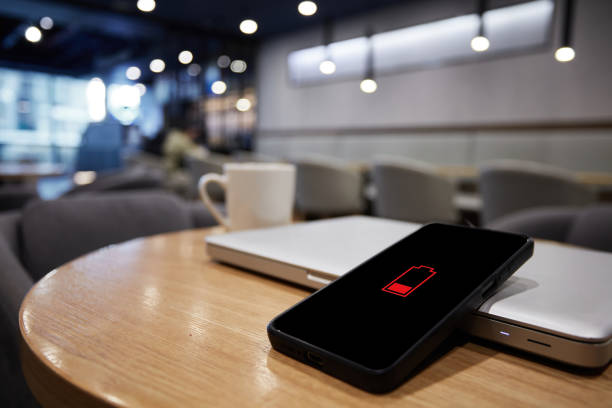
Modern kitchens are no longer used only for cooking. They have become multi-functional spaces where people prepare meals, check recipes, watch videos, and stay connected with family and work. Because smartphones, tablets, and wireless earbuds are used frequently in the kitchen, convenient charging has become an important part of kitchen design.
Many homeowners now add a charging station for kitchen counter areas to keep devices powered while reducing cable clutter. Traditional wired chargers can make countertops messy and inconvenient, especially in busy cooking spaces where spills and food preparation occur frequently.
As a result, two main solutions have become popular. The first option is an under counter wireless charger, which remains hidden beneath the surface. The second option is a surface charging pad, which sits directly on the countertop. Each option offers different benefits depending on the kitchen layout, usage habits, and design goals. This guide compares both options in terms of durability, moisture resistance, usability, safety, and cleaning convenience.
What Is an Under Counter Wireless Charger?
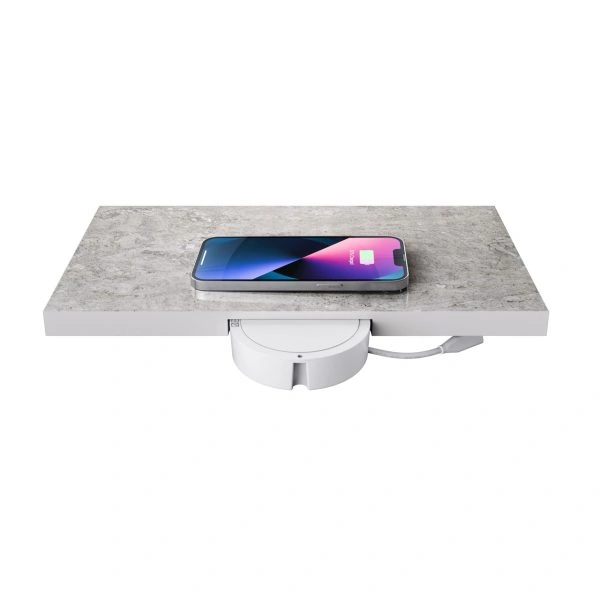
An under counter wireless charger is a device installed beneath a countertop that charges compatible devices without visible hardware. It works using Qi wireless charging technology, which allows energy to transfer from the charger to the phone through certain countertop materials.
Instead of placing a charging pad on the counter, the charger is mounted underneath the surface. The device charges when placed on the correct location above the hidden charger. This setup creates a clean and minimalist kitchen counter charging station with no visible cables.
These chargers work through materials such as quartz, granite, wood, and laminate, as long as the surface thickness falls within the supported range specified by the manufacturer.
Typical Installation
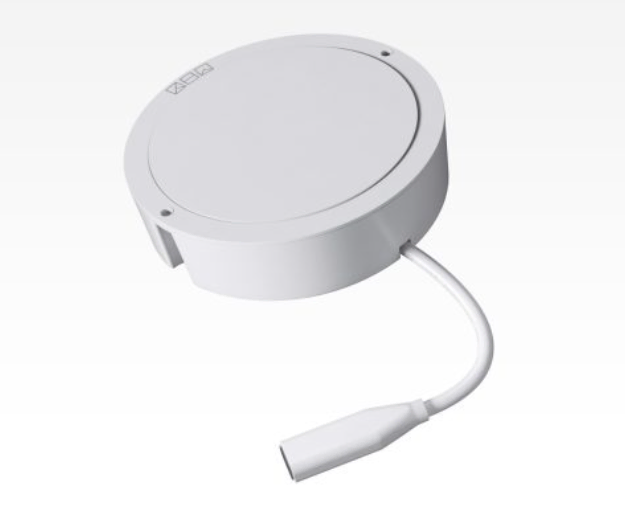
Installing an under counter charging station involves mounting the charging unit beneath the countertop surface. A professional installer or fabricator usually attaches the charger using brackets or adhesive mounting systems.
Common installation characteristics include:
- Charger mounted securely under the counter
- Works through surfaces typically 8 to 12 mm thick depending on the model
- A small marker, sticker, or engraved icon shows the charging location
Because the hardware is hidden below the surface, the countertop remains smooth and uninterrupted while still providing wireless charging functionality.
Ideal Locations
Under counter chargers work best in areas where people frequently place their phones while spending time in the kitchen.
Common installation spots include:
- Kitchen islands
- Breakfast bars
- Coffee stations
- Dining counters
These locations allow users to charge their devices conveniently while cooking, eating, or socializing without adding visible accessories to the countertop.
What Are Surface Charging Pads?
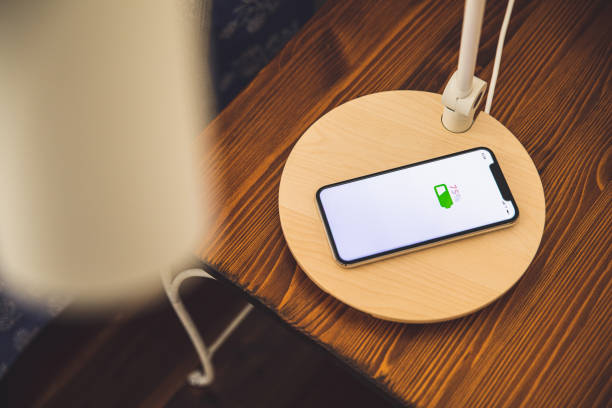
Surface charging pads are the most common type of wireless charger used in homes. These chargers sit directly on top of the countertop and connect to a power outlet using a cable.
Users simply place their phone or other compatible device on the pad to begin charging. Because the device rests directly on the charger, surface pads often provide consistent charging performance without requiring special installation.
However, they remain visible and occupy countertop space, which may not suit every kitchen design.
Common Uses
Surface charging pads are popular because they are simple and portable. They can be placed anywhere with access to a power outlet and do not require modifications to the countertop.
Typical uses include:
- Quick wireless charging in kitchens or living spaces
- Temporary setups in rental homes
- Portable charging around the house
This flexibility makes them convenient for people who want an immediate charging solution without permanent installation.
Limitations
While surface charging pads are easy to use, they have some drawbacks in busy kitchen environments.
Some common limitations include:
- Exposed hardware on the countertop
- Visible charging cables
- Occupies valuable counter space
In kitchens where space and cleanliness are priorities, these limitations can become noticeable over time.
Durability Comparison
Durability is an important factor when choosing a charging station for countertop use, especially in kitchens where surfaces experience daily activity.
Under Counter Wireless Charger
An under counter wireless charger is protected beneath the countertop surface. Because the hardware remains hidden, it is less likely to experience physical damage or environmental exposure.
Key durability advantages include:
- Protection from spills and splashes
- Reduced exposure to cooking grease and oils
- Protection from accidental drops or impacts
Since the charger is designed as a built-in feature, it can withstand long-term use in high-traffic kitchen environments.
Surface Charging Pads
Surface charging pads remain exposed on top of the countertop, which makes them more vulnerable to everyday kitchen hazards.
Common risks include:
- Water spills
- Food debris and grease
- Accidental drops or knocks
- Heat exposure from cookware placed nearby
Over time, these conditions can affect the lifespan of the charging pad or its cables.
Verdict
For busy kitchens that experience frequent cooking and cleaning activity, an under counter charging station generally provides better durability and long-term reliability.
Moisture Resistance in Kitchen Environments
Kitchens naturally contain moisture due to sinks, cooking processes, and frequent cleaning. Charging solutions must be able to handle this environment safely.
Under Counter Chargers
Under counter wireless chargers benefit from being installed beneath the countertop surface. This placement shields the electronic components from direct contact with liquids.
Advantages include protection from:
- Water splashes from sinks
- Cooking oils and grease
- Food residue and spills
Because the charger remains sealed below the counter, it is often suitable even near preparation areas or sinks.
Surface Charging Pads
Surface charging pads sit directly on the countertop and therefore remain exposed to moisture.
Possible concerns include:
- Water spills from glasses or cooking
- Condensation from cold containers
- Liquid entering charging ports or cables
While many pads are designed with basic protection, frequent moisture exposure can still pose risks.
Verdict
For kitchens where spills and water exposure are common, hidden charging systems provide better moisture protection.
Usability and Everyday Convenience
Daily convenience is one of the biggest reasons homeowners consider installing a kitchen counter charging station.
Under Counter Wireless Charger
Under counter charging systems are designed to blend seamlessly with modern kitchens. Once installed, they provide a clutter-free experience without adding new objects to the countertop.
Benefits include:
- Completely clean and minimal counter appearance
- Devices charge simply by placing them on the marked location
- Supports smartphones, wireless earbuds, and other Qi devices
The main drawback is that installation planning is required before the system can be used.
Surface Charging Pads
Surface charging pads provide convenience in a different way. They are easy to set up and require no modification to the countertop.
Advantages include:
- Simple plug and play setup
- Can be moved or repositioned easily
- Works immediately after connecting to power
However, the visible pad and cable can sometimes interfere with countertop activities.
Verdict
For long-term convenience and design simplicity, hidden charging solutions often create a cleaner and more integrated experience.
Cleaning Convenience
Maintaining a clean countertop is essential in kitchens where food preparation occurs daily.
Under Counter Chargers
Because the charger is hidden beneath the surface, the countertop remains completely smooth and unobstructed.
Cleaning benefits include:
- Easy wipe-down with cloth or cleaner
- No cables blocking the surface
- No devices or pads to move during cleaning
This makes routine kitchen cleaning faster and more efficient.
Surface Charging Pads
Surface charging pads require additional steps during cleaning.
Typical cleaning challenges include:
- Pads must be moved before wiping the counter
- Cables may collect dust or grease
- Food crumbs can accumulate around the charger
These small inconveniences can become noticeable in kitchens that require frequent cleaning.
Verdict
Under counter charging systems significantly simplify countertop maintenance.
Safety Considerations
Safety is an important factor when adding any electrical device to a kitchen environment.
Under Counter Wireless Charger
Modern under counter chargers are designed with several built-in safety features to protect both devices and the surrounding environment.
Common safety technologies include:
- Temperature monitoring systems
- Communication protocols between charger and device
- Overheating protection mechanisms
Some advanced systems also regulate power transmission through thicker surfaces to ensure safe operation.
Surface Charging Pads
Surface charging pads are generally safe when used correctly. However, their exposed design can introduce additional environmental risks.
Possible concerns include:
- Visible wires contributing to clutter
- Increased chance of liquid contact
- Chargers being accidentally knocked off the counter
These issues do not necessarily make them unsafe, but they may require more caution in active kitchen spaces.
Verdict
Both options follow modern wireless charging safety standards, but hidden chargers reduce environmental exposure in kitchen environments.
Which Kitchen Charging Solution Is Best?
Choosing the right charging station for kitchen counter spaces depends on the homeowner’s priorities, kitchen layout, and long-term plans.
| Feature | Under Counter Wireless Charger | Surface Charging Pad |
|---|---|---|
| Countertop appearance | Invisible | Visible |
| Durability | High | Moderate |
| Moisture resistance | Excellent | Limited |
| Cleaning convenience | Very easy | Requires moving pad |
| Installation | Planned or professional install | Plug and play |
Best Choice For
Different charging solutions suit different kitchen situations.
- Kitchen remodels: under counter charging station
- Temporary setups: surface charging pads
- Minimalist kitchens: under counter wireless charger
Homeowners who are designing a new kitchen or upgrading countertops often prefer hidden charging systems because they integrate seamlessly into the design.
Conclusion
As kitchens continue to evolve into connected living spaces, convenient device charging has become an important design feature. While a traditional charging station for countertop use may offer quick setup, it often introduces visible cables, clutter, and exposure to spills. Over time, these issues can affect both the appearance and practicality of the kitchen workspace.
An under counter wireless charger provides a more integrated and durable solution. By placing the charging hardware beneath the countertop, homeowners can maintain a clean surface while still keeping their devices powered throughout the day. This hidden approach supports modern kitchen aesthetics while improving safety, moisture protection, and everyday usability. For homeowners, designers, and remodelers planning a smart kitchen upgrade, under counter wireless charging offers a practical and elegant alternative to surface charging pads.
If you would like to explore under counter wireless charging solutions for your kitchen or need help selecting the right charging station for your countertop, feel free to contact us today. Our team will be happy to assist you.
FAQs
1. What is an under counter wireless charger?
An under counter wireless charger is a charging device installed beneath a countertop that powers Qi-enabled devices through non-metallic surfaces like wood, quartz, or laminate.
2. Do under counter wireless chargers work through stone countertops?
Yes, many systems work through stone surfaces such as quartz or granite when the countertop thickness is within the supported range.
3. Are under counter charging stations safe for kitchens?
Yes. Modern wireless charging systems include safety mechanisms like heat management and power regulation to ensure safe operation.
4. Can I install a wireless charger in an existing kitchen counter?
In many cases, yes. Installers can route a small cavity beneath the countertop to mount the charger.
5. Do surface charging pads work as well as hidden chargers?
Surface charging pads can work effectively but may be less durable and convenient in kitchen environments because they are exposed to spills and clutter.