Wireless Charging vs. Traditional Charging: Which Is Better for Your Devices?
Published
April 17, 2025
The Evolution of Charging Technologies
The digital age has brought forth rapid technological advancements that have transformed our daily lives. At the heart of this transformation is the way we power our electronic devices. As the debate between wireless and traditional charging intensifies, consumers find themselves at a crossroads. With the advent of innovative solutions like the UTS-2 Invisible Wireless Charger, understanding which charging method is superior becomes even more crucial. This article delves deep into the intricacies of both charging technologies, supporting the discussion with data, expert opinions, and a balanced analysis.
Understanding Traditional Charging
Traditional charging remains the most common method employed by consumers worldwide. It involves using a physical connection, typically through a USB cable, to transfer energy from a power source to the device. There are multiple types and standards, from USB-C to Apple’s Lightning connectors, each with its unique specifications.
| Standard | Maximum Power Output | Common Devices Supported |
|---|---|---|
| USB Type-A | 2.5W | Laptops, smartphones, tablets |
| USB Type-C | 100W | Laptops, smartphones, tablets |
| Apple Lightning | 30W | iPhones, iPads |
The Rise of Wireless Charging
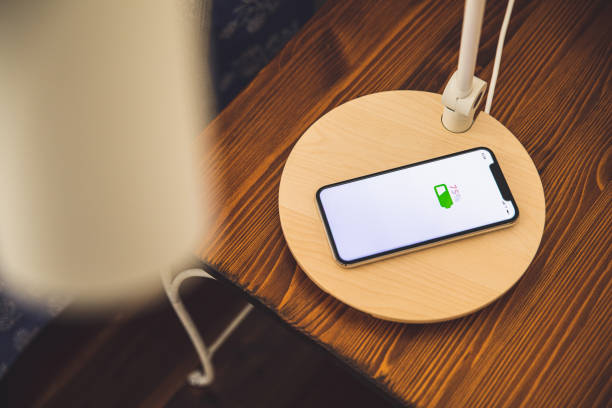
Wireless charging, while not as prevalent as its wired counterpart, has seen a discernible shift in user preference in the recent years. Relying on the principles of electromagnetic induction, wireless charging technology uses technologies like Qi to facilitate the transfer of electric charge without any physical connectors. The key selling points of wireless charging are its convenience, enhanced lifespan of devices due to reduced wear and tear on charging ports, and a unique user experience.
Advancements in this technology have made it possible to charge multiple devices simultaneously. Furthermore, devices need not be aligned perfectly for the transfer of charge to take place. The market value of wireless charging technology is projected to grow upto $25.6 billion by 2026, up from its $6.9 billion value in 2018, according to a report by MarketsandMarkets.
Notable Innovations and Products
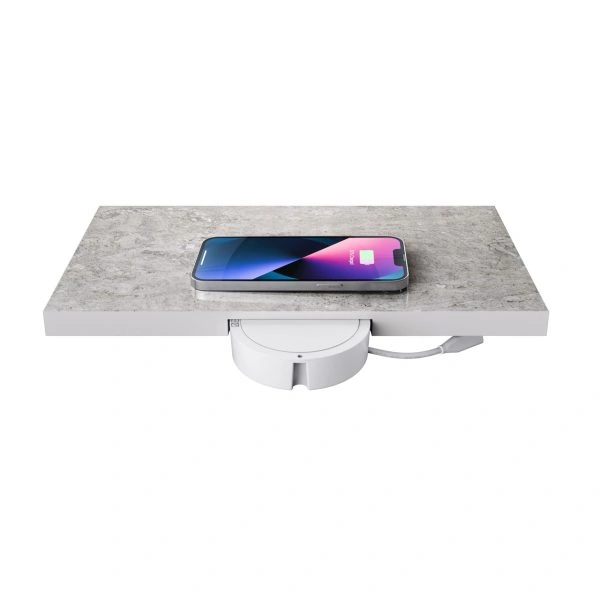
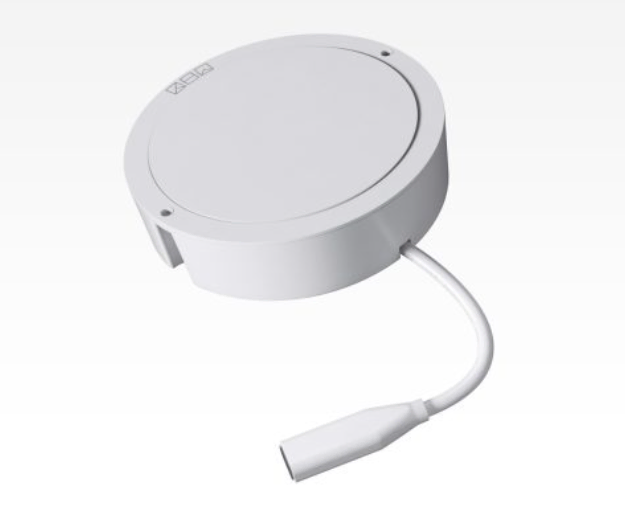
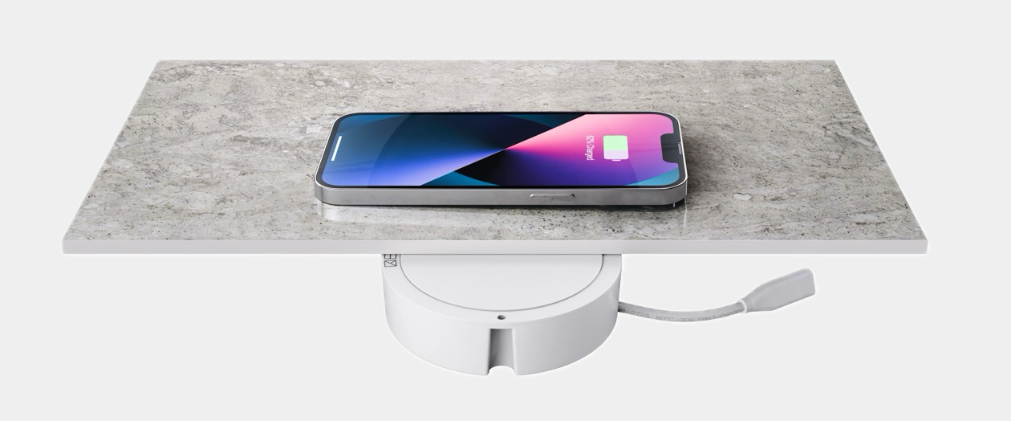
The wireless charging landscape is rapidly evolving with multiple technological innovations coming to the forefront. One such revolutionary product is the UTS-2 Invisible Wireless Charger, which has reinvented the wireless charging experience by making it more efficient, user-friendly, and aesthetically pleasing.
Some of the benefits of Wireless Charging are:
- Reduced damage: Charging ports often experience wear and tear over time. With wireless charging, this problem is greatly mitigated.
- Safety: Without exposed wires and plugs, the risk of electric shocks is significantly minimized.
- Convenience: Users can just drop their device onto a charging pad instead of plugging it into a wall or USB port.
Wireless Charging Market Projection
| Year | Market Value (in billion USD) |
|---|---|
| 2018 | 6.9 |
| 2026 (Expected) | 25.6 |
With concomitant developments in technology and infrastructure, the further adoption and penetration of wireless charging is a trend worth observing in the years to come.
Comparative Analysis: Efficiency and Speed
While traditional chargers are generally faster due to the direct connection, recent advancements in wireless technology have closed the gap. Research indicates that modern wireless chargers can charge devices at speeds comparable to traditional methods. However, the efficiency and speed largely depend on the charging station and the device’s compatibility.
| Charging Method | Average Efficiency | Average Time to Charge (0% to 100%) |
|---|---|---|
| Traditional Charging | 85-95% | 1.5-2 hours |
| Wireless Charging (UTS-2) | 70-85% | 2-3 hours |
Impact on Battery Life
A critical consideration for consumers is the impact of the charging method on battery longevity. Continuous charging at high speed, commonly seen with traditional methods, can degrade the battery over time. Wireless charging offers a gentler approach, which can be beneficial for maintaining battery health over extended periods.
Usability and Convenience
Usability is another area where wireless charging shines. The absence of cables eliminates clutter, making charging stations neater and more aesthetically pleasing. Innovative designs by companies like Kew Labs enable integration of wireless charging into furniture and workspaces, further enhancing convenience.
Safety and Standards
When it comes to safety, both charging methods have standards to prevent overcharging, overheating, and other potential risks. Products like the UTS-2 Invisible Wireless Charger adhere to strict guidelines to ensure user safety and device integrity such as over temperature protection (OTP) over voltage protection (OVP) foreign object detection (FOD), cool down detection and more.
Cost Considerations
Cost is often a decisive factor for consumers. Traditional chargers are generally more affordable, but wireless charging pads have become increasingly accessible. Moreover, the value added by wireless charging—such as reduced wear on devices and enhanced user experience—can justify the investment.
Future Prospects: Innovations and Trends
The future of charging technology points towards an inevitable shift to wireless solutions. Cutting-edge innovations promise faster, more efficient, and more powerful charging capabilities. As the technology develops, we can anticipate more widespread adoption and diversification of use cases, from consumer electronics to electric vehicles.
Environmental Considerations
Adoption of wireless charging also aligns with eco-conscious initiatives by reducing e-waste generated by broken cables and connectors. As technology advances, the environmental footprint of wireless charging is expected to decrease, making it an eco-friendlier option.
Consumer Preferences and Insights
Consumer preferences are gradually shifting as awareness of wireless technology grows. The flexibility and convenience afforded by wireless solutions resonate with modern consumption patterns, suggesting a promising future for wireless charging in mainstream use.
Key Takeaways: The Path Forward for Charging Technologies
Both charging methods have their merits and challenges. Traditional charging continues to offer speed and efficiency, while wireless charging provides convenience, innovation, and a forward-thinking approach. As the global consumer landscape evolves, so too will the preferences and technologies surrounding device charging. With manufacturers like Kew Labs pioneering innovations, the path forward is set to be as dynamic as it is exciting.
FAQs
Is wireless charging as fast as traditional charging?
Wireless charging has historically been slower than traditional wired charging. However, advancements in technology have significantly reduced this gap. Newer generation wireless chargers, such as the UTS-2 Invisible Wireless Charger, have improved their efficiency, offering charging speeds comparable to traditional chargers. It’s essential to note that the charging time depends on several factors, including the device’s compatibility and the wireless charger’s capacity.
How does wireless charging impact battery life?
Wireless charging can positively affect battery longevity due to its more controlled energy transfer. Unlike traditional charging, which can sometimes overcharge and contribute to battery degradation over time, wireless charging delivers power more evenly and helps maintain battery health and switches off to a standby when fully charged. Nevertheless, consumers should ensure their charging technology is from a reliable source to prevent any unintended side effects.
Can all smartphones use wireless charging?
Not all smartphones are equipped to handle wireless charging. Most recent flagship devices from brands such as Apple and Samsung support wireless charging technology, but older or entry-level models may lack this capability. It’s crucial for consumers to check their device specifications or consult the manufacturer to determine compatibility before investing in a wireless charger like the UTS-2 Invisible Wireless Charger.
Is wireless charging more expensive than traditional charging?
Initially, wireless charging setups may be more expensive due to the cost of the charging pad. However, considering factors like cable wear and potential savings on device maintenance, the long-term benefits can balance the initial investment. As the technology becomes more widespread, prices are expected to drop, making it a more accessible option for consumers.
What surfaces are suitable for wireless charging installations?
Wireless chargers, especially products like the UTS-2, are designed to function through all non-metallic various surfaces, including wood, glass, and plastic. However, thicker materials or metals may inhibit charging efficiency and will require thinning. It’s advisable to refer to the manufacturer’s guidelines or work with a professional when considering installations, especially for integrated systems like those offered by Kew Labs.
Kew Labs has many installers and dealers throughout the United States and World. Just check through our Dealer Map to see your closest integrator or email us for a recommendation.