Understanding the Differences: Qi vs Wireless Charging
Published
November 29, 2024
Introduction
It’s important for both consumers and manufacturers to understand the difference between Qi charging and wireless charging. Qi charging is a specific standard that uses inductive technology, where energy is transferred through coils when a device is placed close to a charging pad. This makes it very efficient for short-distance power transfer, mainly used in smartphones and wearables.
On the other hand, wireless charging is a broader term that includes various technologies allowing energy transfer without direct physical connections. These methods can use radio waves or other forms of energy transfer over longer distances.
Understanding these differences is crucial for consumers looking for the right charging solution for their devices and manufacturers wanting to create compatible products. By knowing how Qi fits into the larger picture of wireless technologies, you can make better choices about which method works best for you.
Understanding Wireless Charging Technology
Wireless charging technology has changed how we power our devices by removing the need for physical connectors. It uses electromagnetic fields to transfer energy between two objects, usually a charger and a device, through different methods. This technology can be broadly categorized into various forms based on the type of energy transfer.
- Inductive Charging
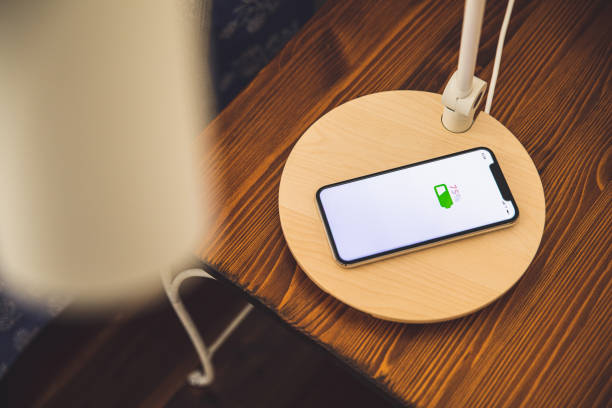
Inductive charging is the most common form of wireless charging, especially in consumer electronics. It works on the principle of electromagnetic induction, where an electrical current passes through an inductive coil to create a magnetic field. When a device equipped with a corresponding coil is placed within this field, electricity is induced in its circuit, effectively charging the battery. Qi technology primarily uses this method due to its efficiency and reliability at short distances.
- Radio Wave-Based Wireless Charging
Exploration into radio wave-based systems has expanded the scope of wireless charging beyond traditional methods. These systems utilize radio frequency (RF) waves to transmit energy over greater distances compared to inductive methods. Devices equipped with RF receivers can harness these waves to charge even when not in direct contact with a charger. While this approach offers more flexibility in positioning devices during charge, it often faces challenges such as reduced efficiency and compatibility issues.
Understanding these technologies is crucial as they define how we interact with our devices daily. Inductive charging remains a mainstay for its straightforward implementation and widespread adoption, while radio wave-based systems offer a glimpse into future possibilities where long-range wireless charging could become commonplace.
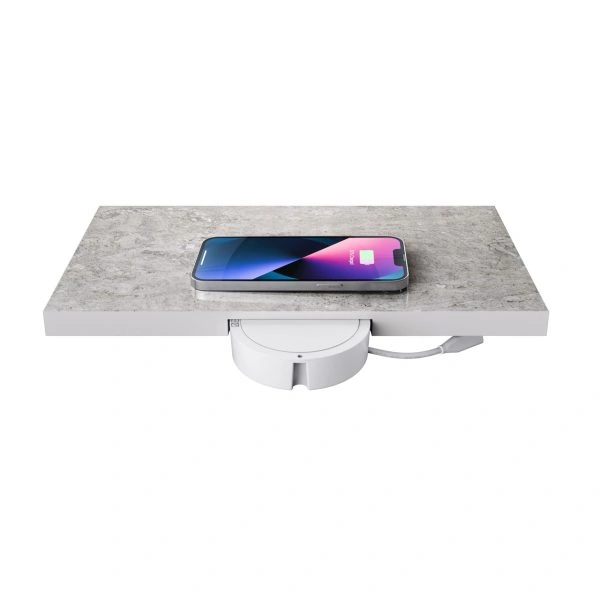
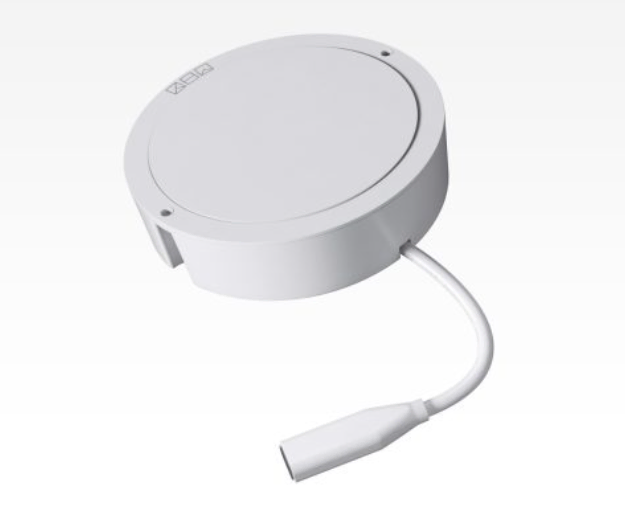
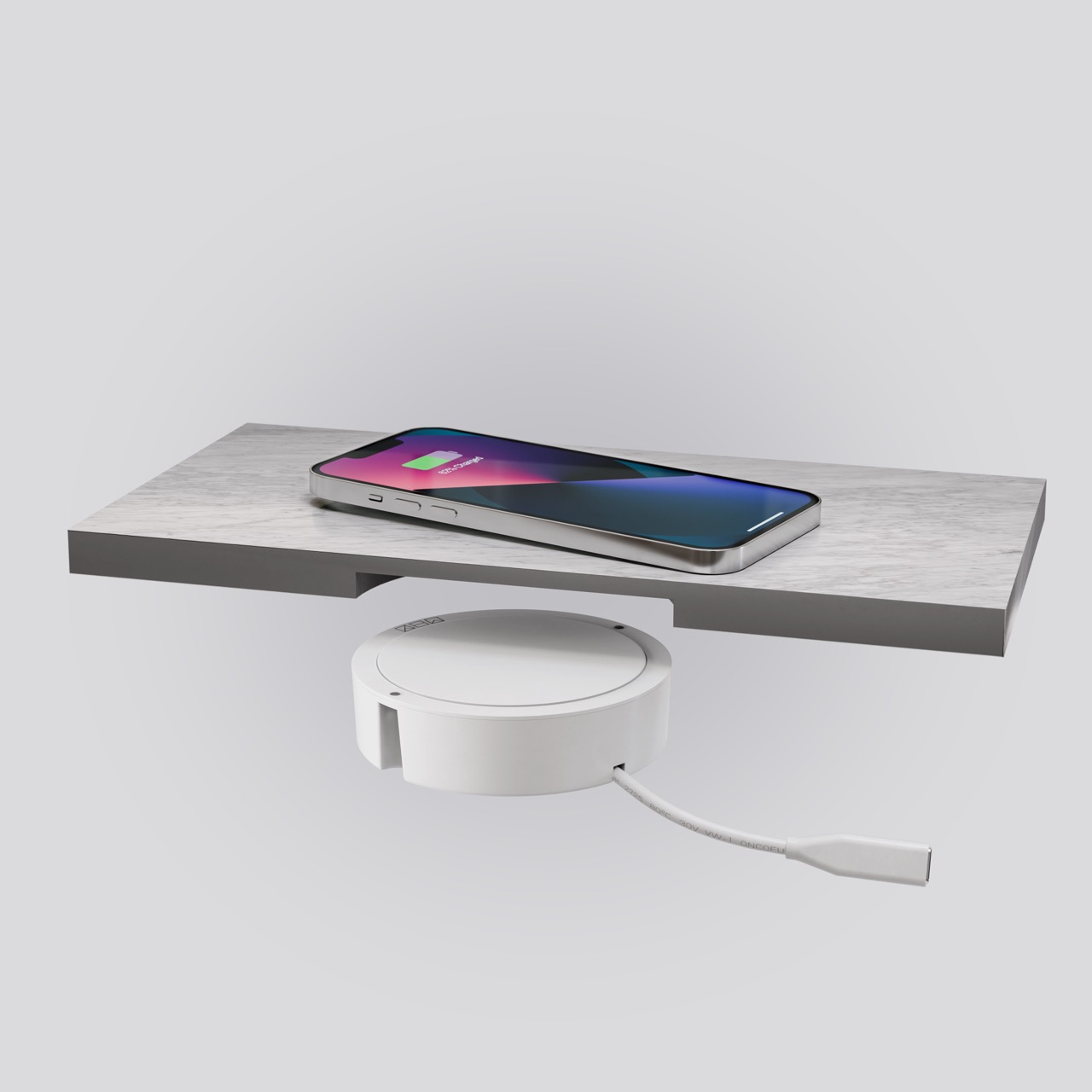
A notable advancement in this field is the development of invisible wireless chargers, which can be seamlessly integrated into furniture like desks or tables, providing a clutter-free charging solution. This technology exemplifies the potential of inductive charging in enhancing user experience.
Moreover, the integration of wireless charging technology into POS systems for bars and restaurants represents another exciting application. By incorporating wireless charging and QR checkouts, these modern POS systems are transforming the operational landscape of hospitality businesses.
Diving Deeper into Qi Charging Technology
Origin and Evolution of the Qi Standard
The Qi standard was introduced by the Wireless Power Consortium (WPC) to establish a universal method for wireless charging. Launched in 2008, the initiative aimed to eliminate the need for multiple chargers and cables, promoting interoperability across various devices. The adoption of the Qi standard has grown significantly, becoming synonymous with wireless charging in consumer electronics. This growth is largely due to its endorsement by major manufacturers like Apple and Samsung, embedding Qi technology into their flagship products.
How Does Qi Charging Work?
At its core, Qi technology utilizes inductive charging to transfer energy between devices. This process involves:
- Inductive Coils: Both the charger and the device contain coils of wire. The charger coil generates an electromagnetic field when an electric current passes through it.
- Magnetic Induction: When you place your device on a Qi-compatible charging pad, the electromagnetic field induces a current in your device’s coil. This current is then converted back into electrical energy that charges the battery.
- Short Distance Requirement: The efficiency of this energy transfer requires close proximity, typically a few millimeters, between the device and the charging pad.
This method is designed for safety and efficiency over short distances, making it ideal for everyday use with smartphones and other small electronics. The standardization efforts by WPC ensure that any device bearing the Qi logo can work seamlessly with any Qi-certified charger, enhancing usability for consumers worldwide.
While other wireless technologies explore longer-range possibilities or different forms of energy transfer, Qi remains a reliable choice due to its proven effectiveness and compatibility across a broad range of devices.
The Pros and Cons of Using Qi Chargers
Exploring the benefits of Qi charging reveals several compelling advantages. One major draw is its convenience—simply place your device on a Qi-compatible charging pad, and the process begins without needing to fiddle with cables. This ease of use is particularly appealing in today’s fast-paced world where simplicity is valued.
Another notable benefit is the reduced wear on device ports. Traditional wired methods often lead to wear and tear on charging ports due to repeated plugging and unplugging, which can eventually result in damage or failure. Qi chargers eliminate this risk by offering a contactless power transfer method, thus prolonging the lifespan of your devices.
Backward compatibility stands out as a significant advantage of Qi chargers. Most modern devices, especially smartphones, are designed to be compatible with earlier versions of the Qi standard. This means you can upgrade your device without worrying about replacing your existing charger if it adheres to the Qi standard.
However, it’s essential to understand what distinguishes Qi from broader wireless charging technologies. While both aim to eliminate cords, Qi specifically uses inductive charging requiring close proximity between the device and charger. In contrast, other wireless technologies like radio frequency-based systems offer more flexibility in positioning but often sacrifice efficiency and widespread compatibility.
While there are numerous benefits associated with adopting Qi technology, it’s important to weigh these against potential limitations such as slower charging speeds compared to some wired solutions. Understanding these nuances helps consumers make informed decisions about integrating Qi chargers into their daily lives.
Comparing Efficiency: Qi vs Other Wireless Technologies
When looking at charging methods, it’s important to consider both wired and wireless options. Wired charging is still the most common method, providing unmatched efficiency through a direct energy transfer via a physical connection. This usually results in faster charging times and minimal energy loss.
Wireless charging, on the other hand, brings a different perspective. Among various wireless technologies, the Qi standard stands out as one of the most widely recognized. It utilizes inductive charging to effectively transmit energy over short distances, typically requiring close proximity between the device and the charger. Qi technology often boasts a conversion efficiency rate of around 60-70%. This figure represents the percentage of electrical power that successfully reaches the battery, with some loss occurring as heat during the process.
Other wireless methods such as AirFuel Resonant offer alternative approaches. This technology employs resonant inductive coupling to potentially allow for greater distances between devices and chargers. While this can increase flexibility in device placement, it often results in lower efficiency compared to Qi, sometimes dropping below 50%. The ability to charge multiple devices simultaneously from a single transmitter is an appealing feature of AirFuel Resonant, yet it comes at the cost of reduced energy transfer efficiency.
In contrast to AirFuel Resonant and other similar technologies, Qi’s standardized approach ensures that devices are optimized for its specific protocol, which translates into better performance metrics within its operating range. As a result, many manufacturers prioritize Qi certification for their devices due to its widespread adoption and reliable efficiency levels.
The choice between these technologies depends largely on user priorities—whether they value efficiency and speed typical of wired solutions or the convenience and flexibility inherent in wireless alternatives like Qi and AirFuel Resonant. Each presents unique advantages tailored to different use cases, making it crucial for consumers to understand these distinctions when selecting a charging solution.
For instance, if you are seeking to maximize your workspace while enjoying the benefits of wireless charging, an under desk wireless charger could be an innovative solution that reduces clutter and enhances efficiency without compromising on performance.
Compatibility Considerations in Wireless Charging World
Navigating the compatibility of wireless chargers can be a complex endeavor. With various charging technologies available, understanding device compatibility issues becomes crucial for both consumers and manufacturers.
Different Types of Wireless Chargers
Different types of wireless chargers operate using distinct technologies:
- Qi Technology: This method uses inductive charging, requiring the device and charger to be in close proximity. It’s highly standardized, ensuring compatibility across devices that support the Qi standard.
- AirFuel Resonant: This technology offers benefits such as charging multiple devices simultaneously but may require specific transmitters and receivers but does not have many devices that have been developed with it
- Radio Frequency (RF) Systems: These systems introduce additional variables into the compatibility equation and may not be universally available or compatible with all devices.
The Role of Standards in Compatibility
Standards play a crucial role in ensuring interoperability among diverse devices. Regulatory bodies like the Wireless Power Consortium (WPC) have established guidelines and standards to facilitate seamless interactions between chargers and devices.
Adhering to these standards ensures that manufacturers produce compatible products that meet consumer needs without causing confusion or requiring multiple chargers for different devices.
Making Informed Decisions as Consumers
Understanding these nuances in compatibility considerations helps consumers make informed decisions when selecting wireless chargers. This knowledge is essential for preventing issues like slow charging speeds or outright incompatibility that can arise from using mismatched chargers and devices.
For users, this means you can use a single Qi charger for multiple devices like smartphones and wearables. However, it’s essential to verify that your device supports Qi charging to avoid any disappointments.
Future Trends Shaping Wireless Charging Technology Beyond Qi
The world of wireless charging is changing quickly, with new innovations set to expand its capabilities beyond the existing Qi standard. As technology moves forward, new approaches are being investigated to tackle the limitations of traditional Qi charging, presenting exciting opportunities for both consumers and manufacturers.
- Magnetic Resonance Charging
Unlike inductive charging used in Qi, magnetic resonance allows greater flexibility in device positioning and can charge multiple devices simultaneously. This method doesn’t require direct contact between the charger and device, providing a more versatile user experience.
- Radio Frequency (RF) Charging
RF-based systems aim to deliver power over greater distances compared to Qi’s short-range limitations. This technology enables devices to be charged while in use, without needing to be positioned on a specific pad, fundamentally changing how users interact with their electronics.
- Infrared and Laser-Based Systems
These emerging technologies promise to provide efficient wireless charging at even longer ranges. They work by converting laser light or infrared beams into energy that devices can use, potentially powering gadgets across entire rooms.
- Enhanced Efficiency and Speed
Future wireless charging solutions are expected to significantly increase efficiency and reduce charging times compared to current standards. Breakthroughs in materials and engineering could lead to faster energy transfer rates without excessive heat generation.
Staying informed about these trends will help you better understand what is the difference between Qi and wireless charging as these technologies continue to advance, ultimately shaping the future of how we power our devices.
Conclusion: Understanding the Differences Between Qi and Other Wireless Charging Technologies
Understanding the differences between Qi and other wireless charging technologies is essential for making informed decisions. Qi charging, with its reliance on inductive coils, offers reliability, convenience, and compatibility for a wide range of devices, especially in short-range scenarios. It stands out due to its standardized approach and broad adoption, particularly among smartphones and wearables.
On the other hand, broader wireless charging includes various methods like radio frequency (RF) or AirFuel Resonant, which may offer flexibility with distance and multi-device charging capabilities. However, these alternatives often sacrifice efficiency and lack the extensive support that Qi enjoys and very few devices use this technology, especially in the consumer electronics market
Whilst Qi will be the choice for most end consumers due to it’s adoption into mobile phones and other small accessories like earbuds, choosing the right solution depends on your specific needs—whether it’s the ease of use and compatibility of Qi or the innovative potential of other wireless technologies. Recognizing these differences ensures you select the best charging method that aligns with your device ecosystem and lifestyle preferences.