Wireless Charging Through Wood: A Convenient Solution for Your Home
Published
November 29, 2024
Introduction
Wireless charging technology has transformed how devices are powered, eliminating the need for physical connectors and cables. This innovation is gaining traction in modern living spaces, offering a seamless charging experience that’s both convenient and aesthetically pleasing. The question now arises: Can wireless chargers penetrate wooden surfaces?
In this article, we explore the fascinating idea of wireless charging through wood. We’ll examine its effectiveness, discuss installation methods, and highlight the benefits it brings to your home or office. By incorporating wireless charging into furniture design, you can boost productivity and reduce clutter, making it a valuable addition to any contemporary space.
Understanding Wireless Charging Technology
Wireless charging has changed the way we power our devices. The key technology behind this innovation is inductive charging, which uses electromagnetic fields to transfer energy between two objects. With this technology, your device can charge without any physical connectors, making the experience smooth and mess-free.
How Inductive Charging Works
The process of inductive charging involves two main components: a charger (transmitter) and a device (receiver). Here’s how it works:
- Charger Generates Electromagnetic Field: The charger creates an electromagnetic field using coils inside it.
- Receiver Converts Field into Electrical Energy: The receiver, which is built into the device being charged, captures this electromagnetic field and converts it back into electrical energy.
- Battery Gets Charged: The converted electrical energy is then used to charge the battery of the device.
This method not only offers convenience but also helps reduce wear and tear on charging ports, prolonging the lifespan of your devices.
Different Wireless Charging Standards
Several wireless charging standards have come up, each with its own compatibility features:
- Qi Charging Standard: This is the most widely adopted standard and is supported by major smartphone manufacturers like Apple and Samsung. Qi ensures that devices from different brands can be charged wirelessly without any issues.
- PMA (Power Matters Alliance): Similar to Qi, PMA was developed for compatibility with certain networks but has seen less widespread adoption in consumer electronics but eventually combined with Qi to create one unified standard
These standards play a crucial role in ensuring that your smart devices can be charged efficiently. At the moment Qi Standard is the dominant technology in the wireless chargers that have become an essential part of modern technology ecosystems.
Wireless Charging Through Wooden Surfaces: Can It Work?
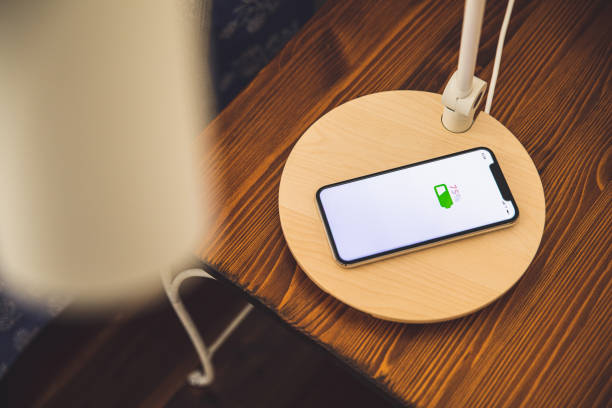
Wireless charging through wooden surfaces offers an innovative and aesthetically pleasing solution for integrating technology into your home. The question arises: Can wireless chargers effectively penetrate wooden surfaces? The answer largely depends on several factors.
Effectiveness of Wireless Charging Through Wood
The ability of wireless chargers to function through wood is primarily influenced by the material’s thickness and type. Wood is generally non-metallic, making it a suitable candidate for wireless charging. However, the effectiveness hinges on:
- Thickness: Optimal performance is typically achieved with wood up to 1/4 inch (approximately 6 mm) thick. Thicker surfaces may impede the charger’s ability to transfer energy efficiently.
- Type of Wood: Different woods have varying densities and compositions. Softwoods like pine may allow for easier penetration compared to denser hardwoods like oak or walnut.
Factors Affecting Performance
Several elements can impact the performance of wireless charging through wooden surfaces:
Heat retention in wood: Wood is known to absorb heat and warm better than other materials, contributing to less heat dissipation during charging.
Moisture Content: High moisture levels in wood may affect conductivity and, consequently, the charging process.
Surface Finish: Lacquer or varnish can influence how well wireless signals pass through, although most finishes are thin enough not to pose significant issues.
Considering these factors when selecting wood for your wireless charging setup ensures optimal performance and seamless integration into your living space. Embracing this technology in your home allows you to maintain a natural aesthetic while benefiting from modern convenience.
Types of Wood Suitable for Wireless Charging Applications
Understanding the types of wood compatible with wireless chargers is crucial for effective integration into your home or office. Softwood and hardwood are two primary categories that affect charging efficiency.
Softwood
Typically derived from coniferous trees like pine, cedar, and fir. Softwoods tend to be less dense and lighter.
Hardwood
Sourced from deciduous trees such as oak, walnut, and cherry. Hardwoods offer durability and a premium finish and will also be easier and more accurate to route down to the correct thickness than soft and airblown woods like MDF.
Oak: Known for its strength and versatility, oak can work well if appropriately
Installing Wireless Chargers in Wooden Surfaces: Methods and Tips
Embedding a wireless charger into wooden surfaces is a sleek way to integrate modern technology into your home or office. Understanding the wireless charger installation in wooden surfaces can help you achieve a seamless finish. Here’s an overview of installation methods:
Installation Methods
- Flush Mount Installation
Description: The charger is installed at the surface level, providing a smooth and uninterrupted look.
Process: A cavity matching the charger’s dimensions is routed into the wood, allowing it to sit flush with the surrounding surface.
- Recessed Installation
Description: Involves embedding the charger deeper into the wood for an invisible charging solution.
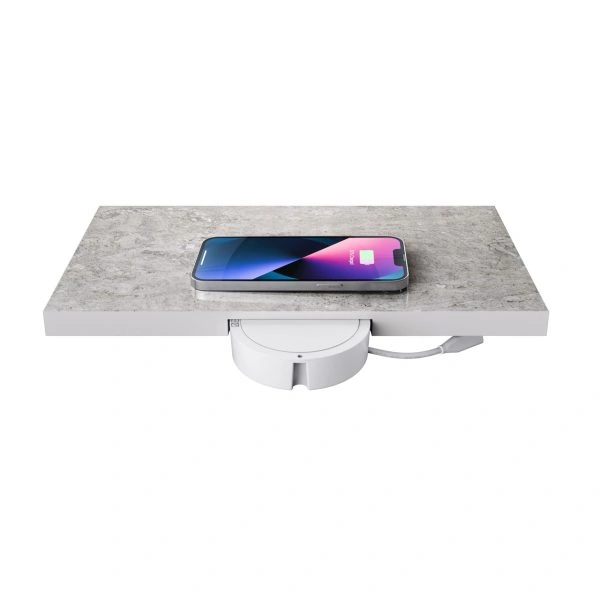
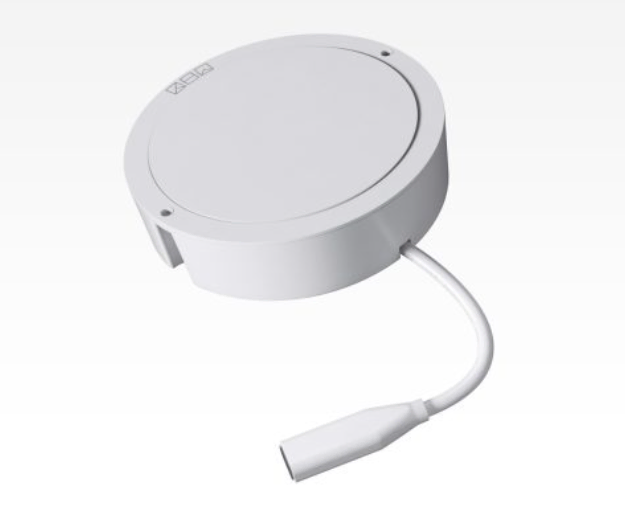
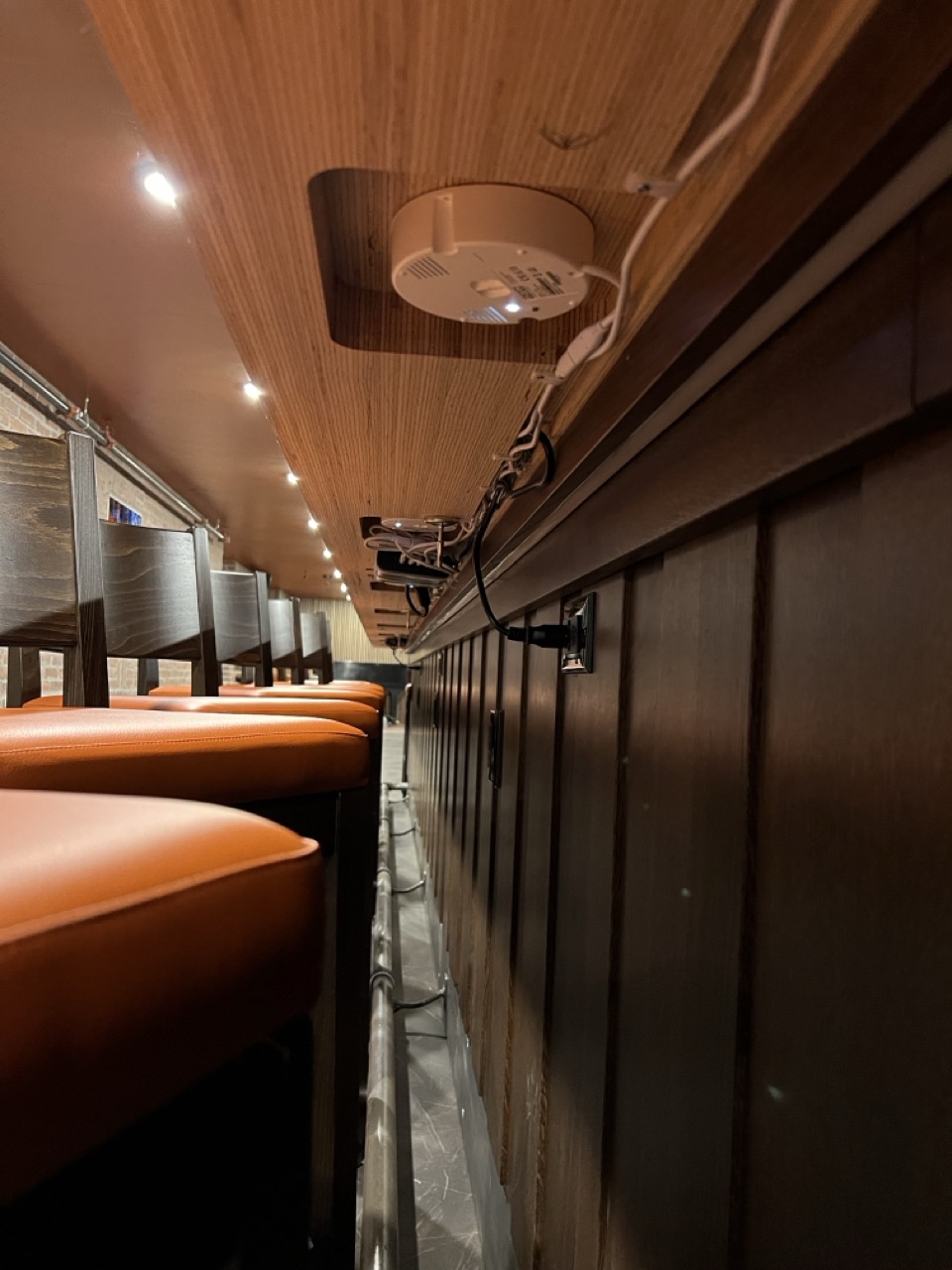
Process: A deeper cavity is created beneath the surface, making space for the charger while keeping it hidden from view. An example of such a solution is the Invisible Wireless Charger Under Desk Fast UTS-2 by Kew Labs, designed to be used with desks/tables and surfaces between 0.39″-0.66″ (8mm-12mm).
Practical Tips
- Surface Thickness: Ensure that the wood thickness does not exceed our charging limits of 8-12mm to maintain charging efficiency.
- Positioning: Place chargers where devices are most frequently used, like near seating areas or workstations, for convenience.
- Ventilation: Consider airflow for heat dissipation if installing chargers that generate significant heat during operation.
- Power Supply Accessibility: Ensure easy access to power outlets to connect and manage cables effectively.
These approaches allow you to leverage wireless technology without compromising aesthetics, turning ordinary furniture into multifunctional pieces. This method of integration can contribute significantly to reducing clutter and enhancing device usability in any room. For instance, utilizing an under desk wireless charger can maximize your workspace, reducing clutter and enhancing efficiency with this innovative charging solution.
Evaluating the Effectiveness and Speed of Wireless Charging Through Wood
When it comes to evaluating the effectiveness of wireless charging through wood, several factors come into play. The reliability and efficiency of different chargers can vary significantly based on their design and intended use through wooden surfaces.
Inductive charging—the primary technology behind wireless charging—relies on creating a magnetic field between two coils, one in the charger and the other in the device. The thickness and type of wood can influence this process, potentially affecting performance.
Factors Affecting Effectiveness
- Charger Design: Different chargers may have varying designs optimized for specific applications.
- Wood Thickness: Thicker wooden surfaces may impede the magnetic field, reducing efficiency.
- Wood Type: Certain types of wood may have properties that affect the transmission of energy.
Factors Affecting Charging Speeds
Charging speeds also differ among various charger models. For instance:
- Standard Qi Chargers: Typically offer power outputs ranging from 5W to 10W, suitable for general use but possibly slower through thicker wooden surfaces.
- Fast-Charging Models: Deliver higher outputs, such as 15W or even up to 18W with some advanced models, providing quicker charging times even when used beneath moderate-thickness wood.
The effectiveness also hinges on the compatibility between your device and the charger. Devices from major brands like Apple and Samsung are generally optimized for Qi standard chargers, ensuring better performance.
In practice, a well-designed charger should maintain efficiency even when installed under typical wooden furniture like tables or desks. Experimentation with placement and charger selection helps achieve optimal results in your home or office setting.
Comparing Wireless Charging Standards: Which One Should You Choose?
When considering wireless charging through wood, the main choice in the market as it is integrated into all modern devices with wireless charging now is the Qi Standard:
Qi Standard
The Qi standard is the most widely adopted wireless charging protocol. Supported by major brands like Apple and Samsung, Qi offers broad compatibility across numerous smart devices, making it a reliable choice for most users. It operates on the principle of inductive charging, where energy is transferred between coils in the charger and the device. This standard is known for its consistent performance, especially when charging through materials like wood.
Advantages of Integrating Wireless Charging in Your Home or Office Environment
Incorporating wireless charging into your home or office furniture offers a range of benefits that extend beyond mere convenience and aesthetics.
- Enhanced Productivity
With built-in wireless chargers, you can keep your devices powered without interrupting your workflow to search for cords or outlets. This seamless connectivity ensures that your gadgets are always ready to use, facilitating smoother work transitions and reducing downtime.
- Clutter-Free Environment
Traditional charging setups often involve tangled cables and bulky adapters that can overwhelm your desk or living space. By embedding chargers in furniture, these visual distractions are eliminated, creating a cleaner and more organized area that fosters focus and efficiency.
- Modern Design
Built-in wireless chargers in furniture designs not only streamline device usage but also add a touch of modernity to your interiors. The sleek design of these integrated solutions complements contemporary aesthetics, making them an appealing choice for tech-savvy homeowners and businesses alike.
- Multiple Device Charging
The ability to charge multiple devices simultaneously is another significant advantage. As more smart devices become compatible with wireless charging standards like Qi, having multiple charging spots within your furniture accommodates various gadgets, enhancing both personal and professional environments.
Other Materials Compatible with Wireless Charging Technology: A Brief Overview
Wireless charging technology isn’t limited to wood; it extends its capabilities to a variety of other non-metallic materials. Understanding these options can open up new possibilities for integrating this technology into your home or office.
Countertop Materials for Wireless Charging
Several popular countertop materials are compatible with wireless charging:
- Quartz: Known for its durability and aesthetic appeal, quartz surfaces can accommodate wireless chargers effectively. The material’s non-porous nature makes it a suitable candidate for embedding charging pads.
- Granite: This natural stone not only adds elegance to any space but also supports wireless charging. Granite’s density and thickness are key factors in ensuring effective energy transfer, making it an attractive choice for incorporating hidden chargers.
- Marble: Often associated with luxury and sophistication, marble countertops can also be adapted for wireless charging solutions. Despite being more prone to staining, when properly sealed, marble retains its functionality as a surface through which wireless energy can pass.
These materials offer unique benefits and challenges. The thickness of the surface plays a crucial role in determining the effectiveness of the charging process. Typically, maintaining a thickness of between 8-12mm for Kew Labs Wireless Charging ensures optimal performance.
Beyond Standard Surfaces
The world of wireless charging is not confined solely to countertops. Other materials like glass and certain plastics are also viable options. By exploring these diverse materials, you can seamlessly integrate wireless charging into various areas within your living or working spaces, enhancing both functionality and design aesthetics.
The Future Of Wireless Charging Through Wood In Modern Living Spaces And Its Convenience Factor
The future looks bright for wireless charging through wood, with upcoming improvements expected to make it even more practical in today’s homes. Both woodworking methods and charger design are being innovated to maximize power transfer using induction, even with thicker wooden surfaces.
Potential Advancements in Charger Design
New models of chargers could be specifically designed to overcome current limitations related to the thickness and type of wood. This might involve using new materials and technologies that enable wireless chargers to work more efficiently, potentially expanding the range of devices they can support.
Importance of Woodworking Techniques
Woodworking advancements may also play a crucial role. Techniques such as precision milling could create specialized recesses for chargers, ensuring a seamless integration that preserves the aesthetic appeal of furniture while boosting charging efficiency.
Rising Demand for Smart Home Solutions
The growing interest in smart homes suggests a rising demand for discreet and effective charging solutions. As technology evolves, the question “Wireless Charging Through Wood – Can Wireless Chargers Penetrate Wooden Surfaces?” may see increasingly positive answers, with wireless charging becoming an integral part of everyday household functionality. This integration not only offers convenience but also aligns with the minimalist design trends that prioritize clean lines and clutter-free spaces.