Wireless Charging Explained: How It Will Change Your Life
Published
July 11, 2024
Introduction
Wireless charging has become an essential part of modern technology. It gets rid of the need for tangled cables and makes charging effortless. By knowing how wireless charging works, we can understand why it’s so important in our daily lives.
In this article, we will cover:
1. How wireless charging works
2. Different types of wireless charging technologies
3. Benefits and limitations of wireless charging4. Potential impact on our daily lives
How Does Wireless Charging Work?
Wireless charging works using electromagnetic induction to transfer energy from a transmitter coil in the charger to a receiver coil in your device. This simple process makes charging easier and creates a clutter-free space.
Key takeaway:
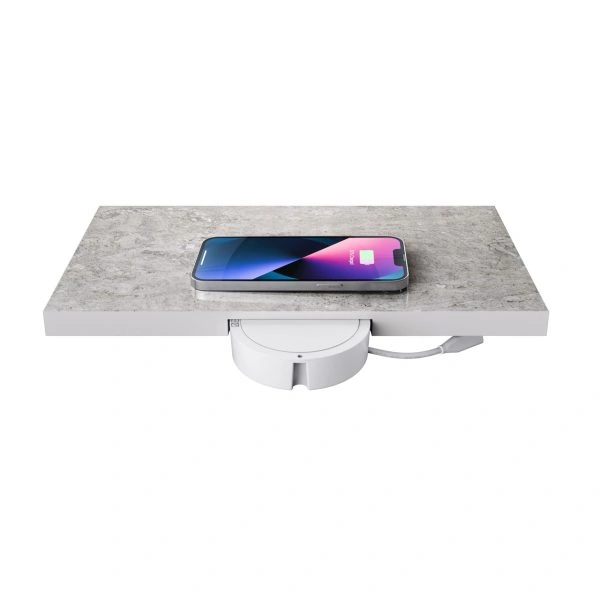
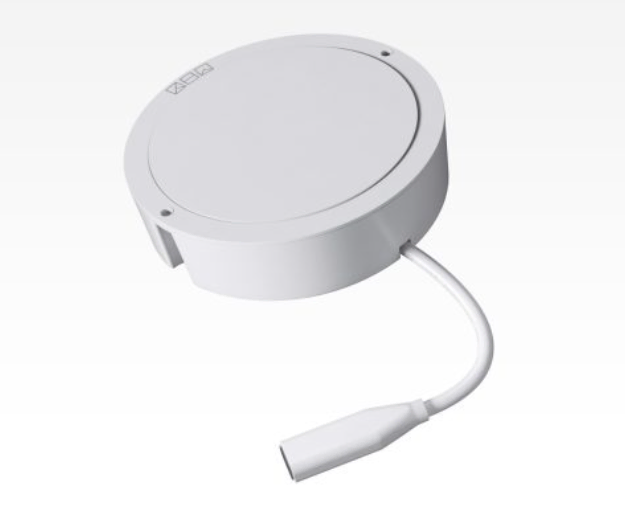
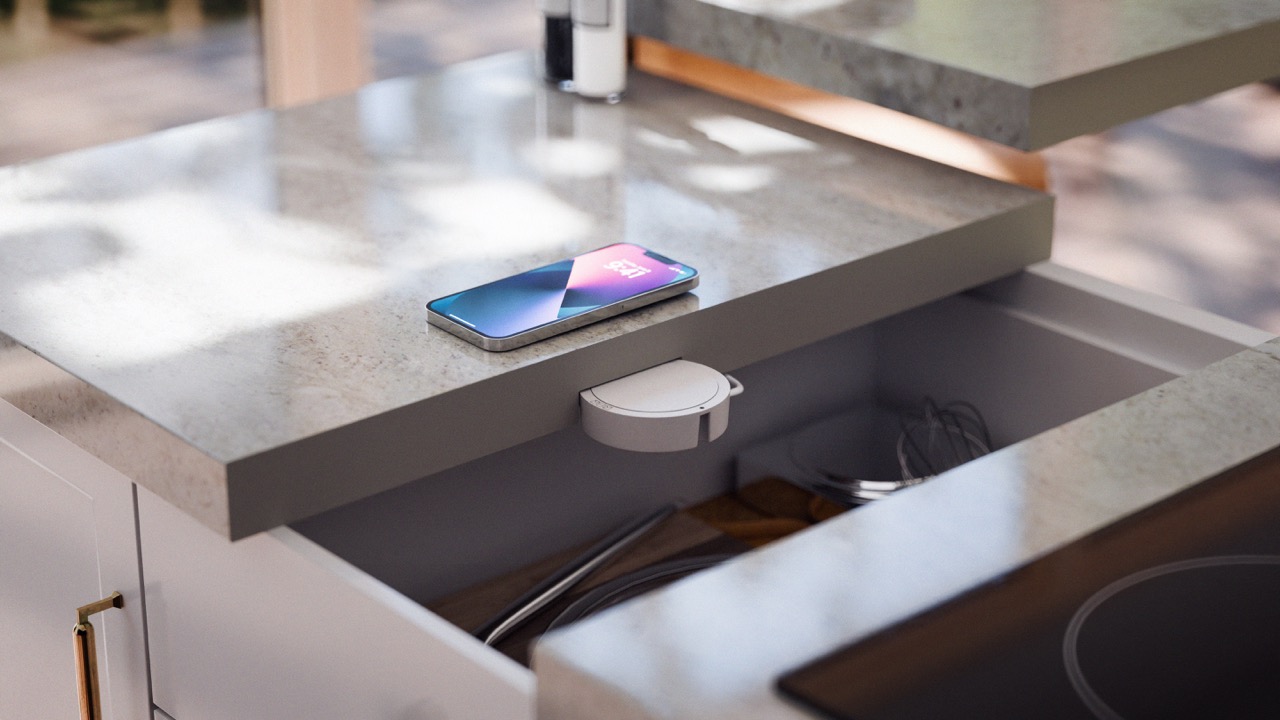
Discover how wireless charging technology can improve your daily routine by offering convenience and flexibility. Learn about the science behind it, explore various technologies, weigh the pros and cons, and think about its future possibilities with products like the UTS-2 Invisible Wireless Charger Set designed by Kew Labs, which allows for seamless integration with desks and surfaces between 0.39″-0.66″ – (10mm-17mm) thickness through its invisible design and daisy chain connector set-up.
Understanding the Science Behind Wireless Charging
Wireless charging is an incredible feat of modern technology, based on the concepts of electromagnetic induction and inductive coupling. These ideas are crucial for grasping how energy is transmitted without wires from a charger to a device.
How Does Wireless Charging Work?
To fully understand wireless charging, let’s break down the process into simple steps. This section will walk you through the wireless charging process, explaining how the transmitter and receiver coils interact and the role of magnetic fields in charging device batteries.
The Wireless Charging Process
- Transmitter Coil Activation:
○ Start by placing a compatible device on a wireless charging pad. Inside the pad, there’s a transmitter coil.
○ When this coil is connected to a power source, it generates an alternating current (AC).
2. Creation of Magnetic Field:
○ The alternating current flowing through the transmitter coil produces a changing magnetic field.
○ This magnetic field spreads out from the coil, searching for a receiver.
3. Inductive Coupling with Receiver Coil:
○ Your device has a receiver coil that interacts with the magnetic field.
○ When the receiving coil enters this magnetic field, it generates an alternating current within itself through inductive coupling.
4. Conversion to Direct Current (DC):
○ The induced alternating current in the receiver coil is then converted to direct current (DC) by internal circuitry in your device.
○ This DC power is used to charge your device’s battery efficiently.
Role of Transmitter Coil in Wireless Charging
The transmitter coil plays a crucial role in starting wireless charging. By generating a changing magnetic field, it creates an environment where energy can be transferred without physical connectors. High-quality transmitters ensure efficient energy transfer and minimal loss, making wireless charging systems more effective.
Role of Receiver Coil in Wireless Charging
The receiver coil in your device captures the magnetic field created by the transmitter and converts it back into electrical energy. How well this conversion happens affects how fast and effectively your device charges. Advanced receiver coils are designed to capture more energy while producing less heat.
Generation of Magnetic Fields for Powering the Device Battery
Magnetic fields are central to wireless charging technology. A changing magnetic field generated by the transmitter excites electrons in the receiver coil, creating an electric current. This phenomenon is known as Faraday’s Law of Induction, which states that a changing magnetic field will induce an electric current in a nearby conductor.
These interactions make it possible to charge devices without direct electrical contact. As technology improves, both transmitter and receiver coils are being enhanced to increase efficiency and broaden capabilities.
Wireless charging has applications in various industries, such as automotive, healthcare, and consumer electronics. For instance,integrating hidden wireless chargers into kitchen countertops is becoming a popular trend among homeowners like John, who have revolutionized their kitchens with invisible wireless charging surfaces.